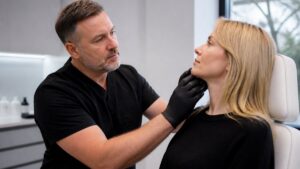
Recovery focuses on improving movement and rebuilding strength so patients can manage everyday activities. A physical therapist develops a personalized treatment plan, and patients receive guidance suited to their rehabilitation goals. Home-based care also allows the therapist to observe movement patterns in familiar surroundings and recommend practical adjustments. Here is a look at how a physical therapist assists with recovery:
Identifying Your Rehabilitation Needs
An initial evaluation helps a therapist identify movement difficulties and set treatment priorities. The assessment also determines the recommended number of therapy sessions. Observing patients during routine activities reveals habits that contribute to movement difficulties.
Patients can share which activities cause discomfort or difficulty, helping the therapist understand how physical limitations affect their daily routines. The therapist also explains habits that contribute to physical problems and recommends ways to correct them. A telehealth consultation enables patients to discuss their physical therapy needs and learn about suitable treatment options remotely before scheduling an appointment.
Developing Your Personalized Treatment Plan
A personalized treatment plan reflects the patient’s physical abilities, rehabilitation goals, and individual needs. The physical therapist selects suitable treatment methods and discusses the patient’s preferred timeframe. Therapy sessions include guided exercises and education about daily habits that contribute to physical problems. The initial evaluation determines the recommended number of sessions, which is reassessed as needed. Physical therapy addresses several rehabilitation needs, including:
- Post-operative recovery
- Neurological conditions
- Age-related limitations
- General debility
Exploring Therapeutic Exercises and Treatments
Therapeutic exercises help patients work on restricted movement and strength. Hands-on techniques treat joints, muscles, and soft tissues to improve movement. Aquatic therapy provides water-based treatment for patients who experience discomfort during traditional exercises. Aqua-stretching incorporates water-based stretches to minimize resistance and promote flexibility.
Laser therapy uses red and near-infrared light to help manage pain and support tissue healing. Dry needling uses thin, solid needles to reach myofascial trigger points in muscles. This technique helps to alleviate muscle tension and pain-related issues. Cupping uses suction to create negative pressure on the skin, supporting soft-tissue treatment and myofascial release.
G5 lymphatic massage helps drain excess fluid and address swelling after surgery. Kinesiology tape supports muscles and joints, helping patients work on posture during recovery. Private yoga combines physical postures, controlled breathing, and meditation to support the mind and body.
Tracking Your Recovery Progress
Recovery progresses at a different pace for each patient. During rehabilitation, the therapist tracks progress toward improved movement and daily function. Patients can share which activities remain difficult as treatment continues.
The therapist also explains how daily habits affect physical problems and how to correct them. Follow-up visits provide time to review treatment recommendations and discuss ongoing concerns. Based on the patient’s needs, the therapist reassesses prescribed visits and adjusts them as necessary.
Find a Physical Therapist
Working with a therapist helps patients address movement difficulties through personalized care. Guided exercises support rehabilitation goals, and treatment recommendations address each patient’s individual needs. Regular evaluations help determine whether the treatment plan requires adjustments. Speak with a physical therapist to discuss your recovery needs and pick a treatment approach.