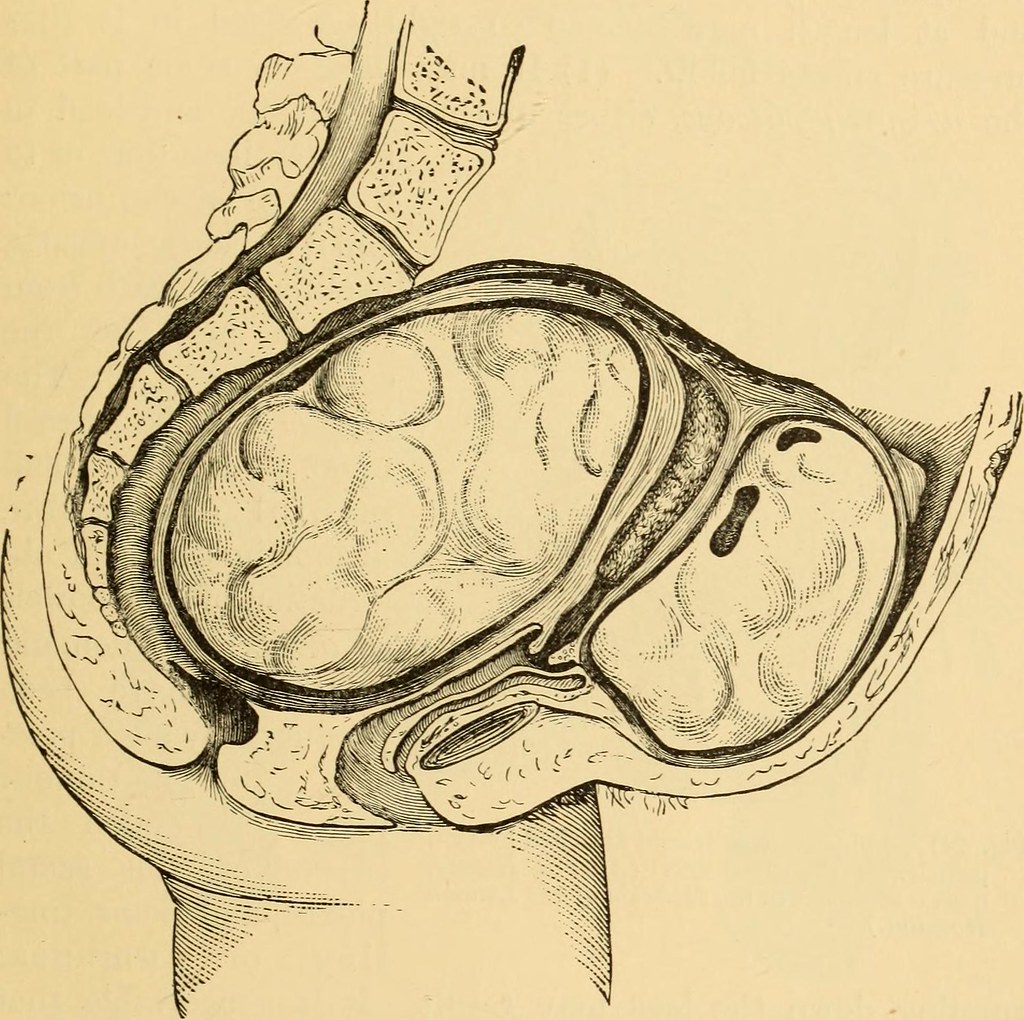
Uterine fibroids are noncancerous growths that develop in or around the uterus. Symptoms range from heavy menstrual bleeding and pelvic pressure to pain during intercourse, and the severity varies from patient to patient. Treatment options include medication, hormonal therapy, and surgical procedures such as myomectomy or hysterectomy, though the appropriate choice depends on symptom severity and reproductive goals. Here is more information on fibroids:
What Are Fibroid Symptoms?
Fibroid symptoms vary widely between patients. Heavy or prolonged menstrual bleeding is a common issue, and some women may also notice pelvic pain, lower back pain, or a sensation of pressure in the abdomen. Fibroids can grow large enough to press against surrounding organs, including the bladder and rectum, which produces many of these symptoms.
Frequent urination, constipation, and pain during intercourse may accompany larger fibroids. Some smaller fibroids cause no noticeable symptoms, but they can still be detected during an examination. A gynecologist can confirm fibroids through imaging, regardless of symptom severity, because imaging shows the size and location of each growth.
How Do Fibroids Affect Daily Life?
Fibroid symptoms interrupt everyday routines. Heavy bleeding may require frequent changes of sanitary products, and this potentially limits participation in physical activities or social events. When chronic pelvic pain develops, patients may miss workdays and experience reduced concentration. Additional secondary symptoms that some patients experience include weakness, fatigue, and sleep disturbances. Consulting a gynecologist helps evaluate symptoms and develop an appropriate treatment plan.
What Are the Treatment Options?
Treatment for fibroids depends on symptom severity, fibroid size, and whether a patient is looking to preserve fertility. Treatment options include:
- Over-the-counter pain medication
- Anti-inflammatory medication
- Hormonal birth control
- Gonadotropin-releasing hormone agonists (GnRH)
- Myomectomy
- Hysterectomy
Choose medication or hormonal therapy if symptoms are mild to moderate and fertility preservation matters. Surgical options become more appropriate when fibroids are large, numerous, or unresponsive to medication.
What Does Treatment Involve?
Treatment begins with a consultation and diagnostic imaging, which confirm the size and location of the fibroids. A gynecologist then reviews symptom severity alongside the patient’s reproductive goals. Based on this review, the gynecologist recommends a course of action. Medication-based treatments may start first because they carry fewer risks than surgery, and they allow the patient to avoid an operation if symptoms respond.
If symptoms persist or worsen, a gynecologist may recommend surgery. Myomectomy requires a recovery period of several weeks, while hysterectomy involves a longer recovery timeline because it is more invasive. Follow-up appointments allow the gynecologist to monitor healing and adjust care as needed. Each treatment plan reflects the individual patient’s circumstances, so outcomes and timelines differ from person to person.
Consult a Gynecologist
Fibroids present differently from patient to patient; symptoms range from mild to disruptive. Recognizing common signs, including heavy bleeding, pelvic pressure, and pain, allows patients to seek care before symptoms worsen. Treatment options span from medication and hormonal therapy to surgical procedures like myomectomy or hysterectomy. Anyone experiencing fibroid symptoms should schedule a consultation with a gynecologist. A proper diagnosis and personalized treatment plan can restore comfort and improve daily functioning.