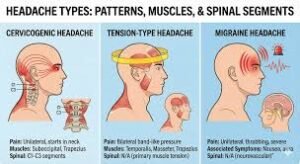
Migraine disorders affect many people on a daily basis, and identifying specific physiological triggers requires extensive time. Because these intense headaches cause severe throbbing pain, many individuals struggle to function normally at work. You might experience extreme light sensitivity, and nausea typically accompanies the relentless head pain. Here is more information on the causes of migraines:
Genetic Predispositions
Because families share identical DNA structures, headache disorders are prevalent in specific bloodlines. Genetics shape your central nervous system directly from the moment of conception. Relatives pass down specific traits, so your overall risk increases naturally from birth. If your parents suffered from chronic head pain, you might inherit similar biological pain responses.
When you possess a specific inherited genetic marker, you develop distinct headaches quite easily. Biological factors play a major foundational role in overall disease development. Doctors explore these connections daily, and they document their findings for the future.
Environmental Factors
Since your immediate surroundings affect your body constantly, external triggers provoke sudden agonizing neurological attacks. Daily physical environments include many hidden risk factors for sensitive individuals. You might encounter sudden aggressive weather shifts, or you might face the following harsh environmental triggers:
- Bright flashing fluorescent lights in offices
- Strong chemical perfume smells in public
- Loud, sudden construction noises outside
- Sudden atmospheric barometric pressure drops
Hormonal Changes
When estrogen levels drop rapidly inside the body, intense migraines may begin for many susceptible women. Hormones fluctuate significantly during regular menstrual cycles, and these internal chemical shifts may trigger painful reactions. Normal pregnancy alters human hormone production immensely across a nine-month period. While hormones stabilize eventually, the adjustment period may be physically draining for affected individuals.
Some individuals take oral birth control pills, so their estrogen levels stabilize over time. Prescription medication changes standard bodily functions directly through synthetic chemical interventions. If a patient starts hormone replacement therapy unexpectedly, frequent headache episodes might increase without any prior warning. Medical professionals monitor these complex physiological responses closely during regular clinic visits.
Menopause brings sudden biological transitions to the aging human body during late adulthood. As the female body stops menstruating naturally, estrogen production drops permanently over several years. Doctors track these internal bodily shifts carefully, and they monitor the resulting headache patterns over time. Regular hormone fluctuations remain a primary leading cause of debilitating head pain today.
Chronic Conditions
Various chronic medical issues trigger intense head pain regularly throughout our lifespan. High blood pressure strains your blood vessels, and this extra physical tension causes distinct head discomfort. When sleep apnea disrupts your nighttime breathing patterns, terrible morning headaches may result almost instantly upon waking. Chronic physical dehydration damages your overall health severely during the hot summer months.
These conditions can lead to migraines:
- Diabetes
- Temporomandibular joint disorders (TMJ)
- Fibromyalgia
Get Treated for Migraines
Proper medical care improves your overall daily quality of life over the long term. Before your chronic head pain becomes completely unmanageable, you must seek professional medical assistance immediately. Doctors offer numerous helpful therapeutic interventions, and medical clinics provide highly structured treatment plans. Contact a local healthcare provider at a neurological clinic today for immediate relief from your daily symptoms.