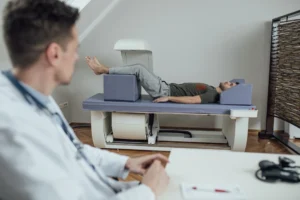

Neurologists specialize in diagnosing and treating conditions that affect your nervous system, and they pinpoint what’s causing your discomfort. Because nerve damage is typically the underlying reason for neuropathic pain, these experts use their skills to help you find answers. They review your medical history, examine your symptoms, and suggest practical approaches that address your pain and daily function. Here is more information on how these professionals diagnose and treat neuropathic pain:
Diagnostic Tests
Doctors often turn to advanced technology to better understand nerve function. Electromyography (EMG) helps them see the electrical activity produced by muscles. Nerve conduction studies measure how quickly signals travel between your nerves and muscles, and these tests reveal the location and the severity of damage. Results from these tests give a clearer picture of what your nerves are doing.
Your neurologist may order an MRI to view your spine and brain, or opt for an ultrasound to see possible nerve compression in limbs. While such scans don’t directly measure pain, they detect physical problems like herniated discs or compressed nerves. These precise images help with decision-making about treatment or referrals.
Physical Evaluation
Your visit usually begins with a thorough review of your symptoms and medical background. The neurologist listens to your story and asks about the details of your pain, which helps them understand how it impacts your life. They check your reflexes as well as muscle strength to look for signs of nerve problems, and these checks happen during your first appointment.
During the neurological exam, you might feel your doctor gently touch different areas of your skin or use a soft pin to test sensation. Neuropathic pain may reduce these feelings, so this approach highlights where your nerves are not working. The neurologist uses these test results to map out areas of concern.
Finally, your balance and coordination are assessed. You may be asked to perform simple movements, like walking in a straight line or touching your finger to your nose. Because nerve health affects movement, these checks offer important information about the functioning of both large and small nerves. The neurologist gathers detailed notes and uses these insights to guide the rest of your evaluation.
Skin-based Biopsies
At times, the source of neuropathic pain is tiny nerve fibers that don’t show up on regular studies. Your doctor may recommend a small skin biopsy to investigate further. They use a bit of local anesthetic to keep you comfortable, and they remove a sample of skin tiny enough to heal quickly. Once prepared, the sample is examined under a microscope, giving valuable data about small nerve fibers.
Lab-based Tests
Blood tests are used to check for underlying medical issues that may cause neuropathic pain. Your doctor may look for changes in basic blood counts or search for hidden infections. The neurologist often orders a set of routine labs and reviews the results with you to explain what they mean.
Blood work typically screens for:
- Vitamin deficiencies
- Blood sugar abnormalities
- Kidney function issues
- Immune system-related conditions
Visit a Neurologist
If you notice burning, tingling, or shooting discomfort, it’s time to have a specialist examine your situation thoroughly. Taking the step to schedule an appointment helps you learn more about your diagnosis, and it opens opportunities to manage your symptoms. Reach out to a neurology clinic in your area and begin the process of understanding and managing your neuropathic pain.