
Foot injuries range from acute sprains and strains to chronic issues like stress fractures and tendonitis. These conditions often develop when the complex network of bones, ligaments, and muscles in your feet absorbs uneven or excessive pressure. Foot injuries result from excessive physical stress, and podiatry focuses on identifying these stressors early. By evaluating your foot structure and movement patterns, a podiatrist can recommend practical interventions to support your lower limbs. This proactive approach aims to reduce the likelihood of discomfort and keep you moving safely.
Biomechanical Analysis in Podiatry
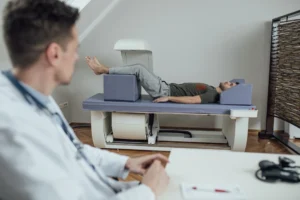
A core component of injury prevention is understanding how your body moves. Podiatry specialists perform biomechanical analyses to assess the function of your feet and lower legs during weight-bearing activities. They examine your joint alignment, muscle strength, and flexibility. Podiatrists observe how you walk during a functional assessment, but they also evaluate your standing posture to identify structural imbalances. By analyzing your gait, they can pinpoint abnormalities like overpronation or underpronation. Identifying these mechanical issues allows the podiatrist to develop a targeted plan to redistribute pressure evenly across your feet, which lowers the risk of repetitive strain injuries.
Custom Orthotics and Footwear Education
Proper support is recommended for foot health. When biomechanical imbalances are present, a podiatrist may recommend custom orthotics. These specialized shoe inserts are created from precise molds of your feet. They provide targeted support for your arches and heels, and they help maintain proper alignment during physical activity.
Beyond orthotics, footwear education plays a significant role in protecting your feet. A podiatrist can teach you how to select shoes that accommodate your specific foot type. Key recommendations often include:
- Choosing shoes with a firm heel counter for stability.
- Confirming adequate toe box room to prevent friction.
- Selecting appropriate footwear for specific sports or daily activities.
- Replacing athletic shoes regularly before their shock-absorpting properties degrade.
Preventive Care and Education
Routine foot maintenance helps catch minor issues before they become severe. Podiatry emphasizes daily habits that protect the structural integrity of your lower extremities. This includes guidance on proper nail trimming to avoid ingrown toenails and the safe management of calluses; these can alter how you distribute your weight.
Preventive care includes regular home foot inspections, and it includes learning proper stretching techniques to maintain joint flexibility. Podiatrists often provide specific exercises to strengthen the muscles in your feet and calves. Strengthening these supporting structures improves shock absorption and stability during your daily movements.
Specialized Care for High-Risk Groups
Certain populations require additional support to maintain foot health. Individuals with diabetes, arthritis, or circulatory issues face a higher risk of foot complications, and high-impact athletes also place immense stress on their lower limbs, requiring specialized attention to manage heavy training loads. For these groups, podiatry offers tailored monitoring and intervention strategies. A podiatrist will conduct regular nerve and circulation assessments for patients with metabolic conditions. For athletes, the focus shifts to load management and recovery protocols. This specialized attention confirms that vulnerable feet receive the exact support needed to continue functioning without unnecessary strain.
Talk to a Podiatrist Today
Taking a proactive stance on foot health allows you to address mechanical imbalances and poor footwear habits early. Whether you are an athlete looking to protect your joints or someone managing a chronic condition, professional guidance offers assistance. An evaluation provides you with an accurate understanding of your foot structure, and it helps identify your specific needs. Talk to a podiatrist today to learn more about how targeted care and education can support your long-term mobility.