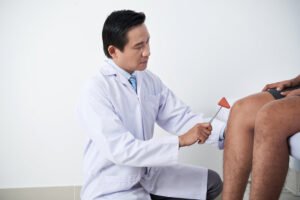
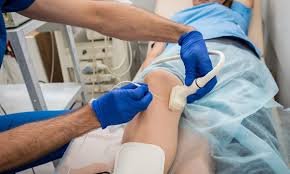
A vein surgeon treats conditions of the vascular system. The vascular system includes vessels throughout the body, and specialists manage diseases affecting this network. Because gravity affects blood flow in the lower extremities, leg veins rely on internal valves that maintain direction, and dysfunction in these valves leads to circulatory problems requiring medical evaluation when symptoms develop. Patients may experience swelling or discomfort in affected areas. The physician examines the region to identify functional issues, and diagnostic findings guide treatment plans that target vessel dysfunction while confirming whether circulation is impaired.
Diagnosing Vascular Conditions
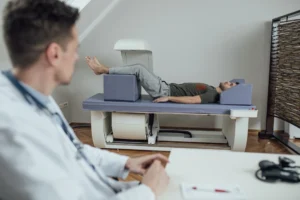
A vein surgeon evaluates patients with suspected blood flow issues. A physical exam reveals visible signs of superficial disease, and ultrasound imaging identifies deeper vascular abnormalities. While patients report symptoms, clinicians review medical history, and staff prepares diagnostic tools used during evaluation.
Imaging tests show valve dysfunction location. Doctors assess blood flow patterns, and they map circulatory pathways to locate failure points when abnormalities appear. When diagnostic data is combined with clinical findings, clinicians determine whether intervention is required, and they avoid treating unaffected vessels during planning. Precise diagnostics guide care planning. Surgeons evaluate superficial and deep venous structures, and they identify whether valve failure or obstruction is present. Because accurate mapping reduces unnecessary intervention, clinicians focus treatment only on affected vessels, and this supports targeted decision-making.
Assessing Treatment Need
Treatment decisions depend on vascular disease severity. Mild cases may require monitoring, and advanced cases require intervention when symptoms progress or imaging confirms valve dysfunction. Because clinicians evaluate symptom patterns and imaging together, they determine whether conservative management is sufficient, and they adjust plans when progression occurs.
Some patients remain stable under observation. Clinicians monitor changes over time, and they reassess symptoms during follow-up visits when needed. When imaging shows progression, treatment decisions shift toward intervention, and updated evaluations guide next steps.
Performing Medical Procedures
Surgeons perform minimally invasive treatments routinely. Some procedures close diseased veins, and others remove damaged tissue when indicated. Modern techniques use small incisions or catheter-based tools, and patients typically receive treatment in outpatient settings. Laser and radiofrequency methods collapse malfunctioning veins. Doctors apply energy to seal vessel walls, and blood flow reroutes to healthy veins when treatment succeeds. Because treated veins lose function, the body absorbs residual tissue, and circulation redistributes naturally over time.
After closure, the treated vein shrinks gradually. The body processes remaining tissue, and nearby veins maintain circulation during healing. When procedures are complete, clinicians monitor recovery response, and follow-up confirms treatment outcomes.
Managing Long-Term Recovery
Post-procedure care supports healing. Patients wear compression garments on the legs, and they are encouraged to walk to support circulation. If swelling persists, clinics schedule follow-up visits, and clinicians evaluate recovery progress during assessment.
Recovery protocols support outcomes. Patients resume activity gradually, and medical staff monitors vascular response over time. Because healing varies, clinicians adjust recommendations when needed, and follow-up tracking evaluates improvement. Routine monitoring identifies changes. Healthcare teams assess long-term outcomes, and they check for recurrence when symptoms reappear. When concerns arise, evaluation is performed, and treatment plans are updated based on clinical findings.
Find a Vein Surgeon
Vascular specialists manage circulatory disorders across patient populations. They diagnose vessel dysfunction, and they treat these conditions using minimally invasive procedures supported by imaging and clinical evaluation. As vascular conditions develop, clinicians maintain blood flow stability, and treatment approaches adjust based on patient findings.Modern vascular care relies on imaging and targeted intervention. These methods address vein dysfunction directly, and follow-up care evaluates outcomes over time. When patients receive appropriate procedures, symptoms may improve, and clinicians continue monitoring stability. Vein surgeons apply specialized training within the field of Vascular Surgery. They evaluate symptoms, perform procedures, and guide recovery to support long-term circulatory function. Find a vein surgeon for treatments.