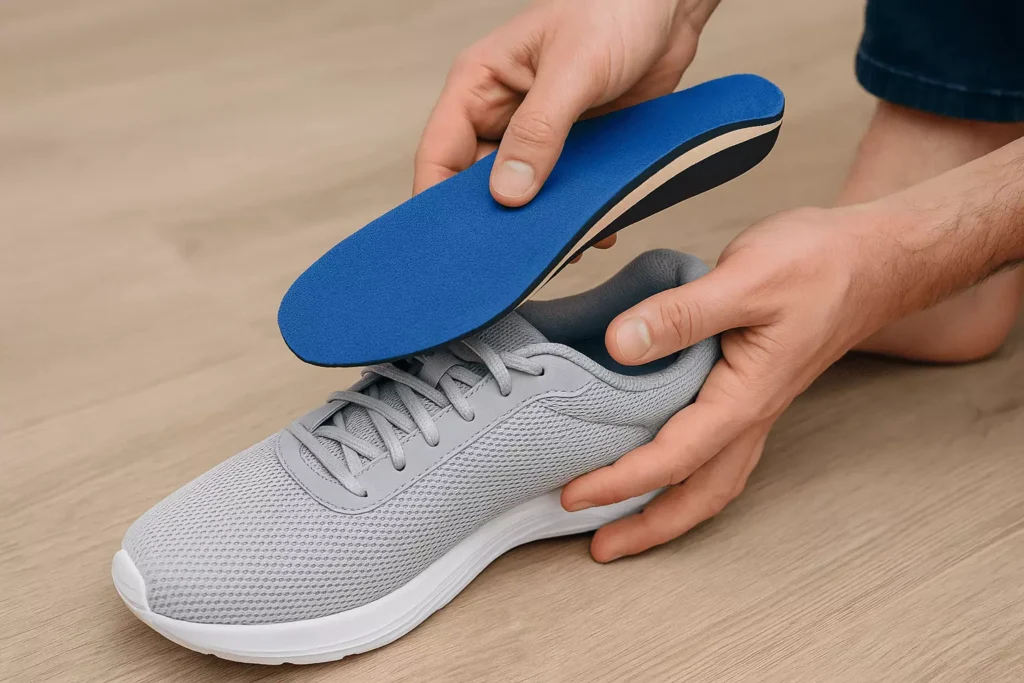
Custom orthotics are prescription-based shoe inserts that support the unique structure of an individual’s foot. Unlike over-the-counter insoles, these devices are designed by healthcare professionals to address biomechanical needs, providing targeted structural support and evenly redistributing pressure. The foot acts as the foundation for the entire body, and managing a foot condition often requires careful attention. Custom orthotics can help individuals address the mechanics of flat feet. Here’s information on orthotics and how they can support flat feet:
How Custom Orthotics Support Feet
Custom orthotics differ from standard gel or foam inserts purchased at a retail store. To create them, a podiatrist creates a precise plaster mold or a detailed 3D digital scan of an individual’s foot. This careful measurement captures the exact contours of the foot in a neutral, non-weight-bearing position. The resulting data guides the manufacturing of a highly tailored insert.
Custom orthotics are made from specialized materials for durability, shock absorption, and precise structural reinforcement. Rigid orthotics, often made from plastic or carbon fiber, focus on controlling motion in two major foot joints. Accommodative orthotics use softer materials to provide cushioning and reduce pressure. Both types aim to support the foot’s specific arch profile, helping align the lower extremities during movement and while standing.
Why Flat Feet Occur
A flat foot has a very low arch, or no arch at all, allowing the entire sole to touch the floor when standing. This structural variation develops for many reasons, and it can present at different stages of life. Some individuals inherit the structural characteristics of flat feet from their parents, meaning their arches never fully develop during childhood.
Previously normal arches sometimes fall over time, becoming flat feet. This often occurs due to the gradual wear and tear of the posterior tibial tendon, which normally supports the arch. Some other factors that can influence foot mechanics include:
- Pregnancy
- Obesity
- Systemic Conditions
When the supportive ligaments and tendons stretch or weaken, the foot loses its typical elevation, causing it to rest flat on the ground. Flexible flat feet have visible arches when seated, but they disappear when standing, whereas rigid flat feet maintain their shape regardless of bearing weight.
How To Manage Them
Not all instances of flat feet need medical intervention, but individuals experiencing discomfort may benefit from structural support or other management strategies. Feet support daily movement and one’s entire body weight, so proper footwear is the foundation for effective foot support. Shoes with firm heel counters and well-structured midsoles offer stability during daily activities. Physical therapy is another practical management option. Therapists focus on stretching the Achilles tendon and strengthening the intrinsic muscles of the lower extremities. These targeted exercises help maintain flexibility, and they provide additional support to the surrounding arch structure over time.
Visit a Podiatrist Today
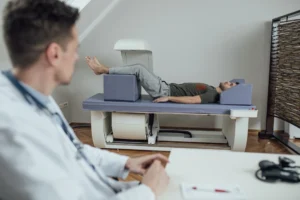
To have your foot mechanics accurately evaluated, work with a specialist. A podiatrist conducts a thorough physical examination, reviews your medical history, and observes your gait to understand how your feet function in motion. This comprehensive assessment determines whether specialized inserts are appropriate for your foot structure. During an appointment, the podiatrist can answer questions about your foot mechanics and clearly outline your options. Schedule an appointment with a qualified podiatrist today to discuss your foot structure and explore your available support options.