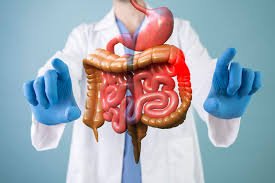
A colonoscopy is a medical procedure used to examine the physical lining of the large intestine and rectum. Once the visual examination concludes, the body enters a brief, structured recovery phase; understanding this timeline helps you navigate the hours and days following your medical appointment. Here is information about the colonoscopy recovery process:
Monitoring Immediate Recovery Steps
Immediately after the procedure finishes, medical staff will transfer you to a clinical observation area. Nurses closely monitor your key health signs, including your heart rate, blood pressure, and oxygen levels, as the sedative medications begin to wear off. This initial monitoring phase lasts approximately one hour. During this time, you may feel groggy or physically sluggish. The medications temporarily impair your reflexes and physical coordination, so you’ll be required to have a trusted individual drive you home.
Navigating Early Activity Restrictions
Once you return home from your colonoscopy, physical rest becomes the fundamental priority for the remainder of the day. The clinical effects of the sedatives can linger in your system for up to 24 hours. Healthcare providers typically advise against operating heavy machinery during this time, and they suggest avoiding making significant decisions.
Taking a nap or engaging in quiet, seated activities at home can be an ideal approach. Giving your body adequate time to process the medication supports a smoother physical transition back to your regular daily routine the following morning. This resting time also allows possible gas pains, nausea, or bloating to pass.
Resuming a Standard Diet
The extensive preparation process and the procedure itself leave your digestive tract completely empty. Hydration is a key component of your early recovery. Drinking plenty of water, clear broths, or sports drinks replaces lost fluids, and it may help flush the remaining sedatives from your system. When starting solid foods, physicians sometimes advise beginning with light, easily digestible meals to avoid overwhelming the gastrointestinal tract. You can typically return to your normal dietary habits relatively quickly, but you should avoid alcohol for at least 24 hours due to its interaction with the lingering sedatives.
Watching for Physical Symptoms
Minor physical changes are typically part of standard discharge instructions. You might observe a small amount of blood during your first bowel movement, particularly if the physician removed a polyp or took a tissue biopsy. This is a routine occurrence, but other specific physical signs warrant prompt clinical attention. If you develop the following symptoms, contact your medical provider for assistance:
- A core body temperature fever
- Severe abdominal discomfort that does not resolve with passing gas
- Heavy, continuous bleeding
Scheduling Routine Medical Follow-Up
The final phase of the recovery process involves reviewing the physical findings with your medical team. Your physician might provide a preliminary overview of the visual exam before you leave the outpatient facility. If they collected tissue samples, laboratory analysis sometimes requires additional time. Your provider should contact you within a few weeks to discuss these objective results.
Find a Reliable Colonoscopy Provider
Recovery following a colonoscopy is typically brief and uncomplicated. Following your discharge instructions, staying well hydrated, and allowing adequate time for rest can support a smooth recovery process. After the procedure, consult with your healthcare provider to review your results and establish an appropriate schedule for future procedures.