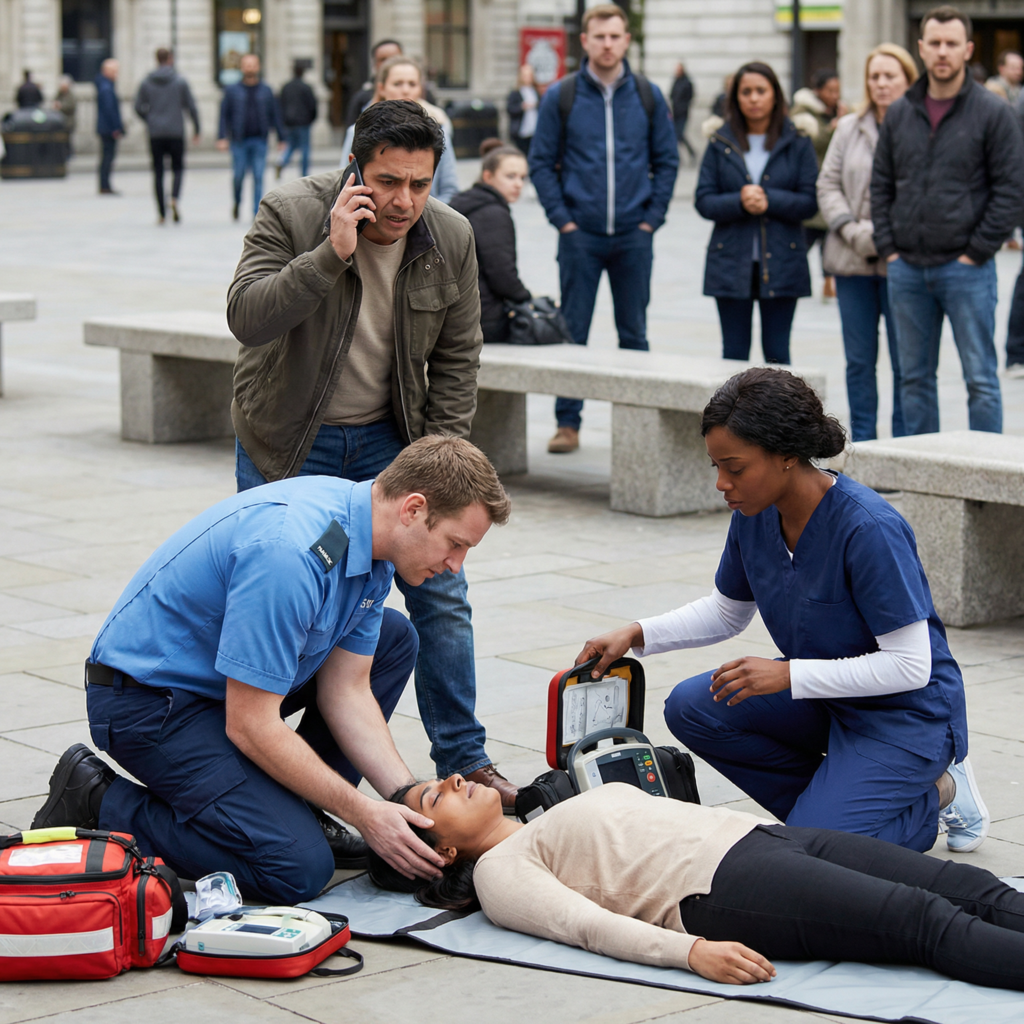
Medical concerns can arise unexpectedly and require prompt evaluation and treatment. Understanding the difference between urgent medical needs and life-threatening emergencies helps you determine whether to visit an urgent care clinic or seek emergency services. Some clinics treat acute illnesses and minor injuries, so patients can access timely evaluations and treatment. Here are some of the first steps in critical care and emergency services:
Identifying a Medical Emergency
Recognizing the signs of a medical emergency can make a difference in getting timely, effective care. Call 911 if someone shows signs of a life-threatening condition. Common warning signs include:
- Chest pain or pressure
- Trouble breathing
- Sudden weakness or numbness on one side of the body
- Slurred speech
- Severe bleeding
- Loss of consciousness
Some conditions, such as ear infections and minor cuts, are evaluated and treated at an urgent care clinic. Depending on the condition, care may include an examination, diagnostic testing, or minor wound repair, and doctors determine whether additional treatment is needed. Patients with cuts should receive instructions for keeping the wound clean and caring for the treated area during healing.
Completing a Patient Assessment
When a patient reaches emergency services, the medical team performs a structured assessment. Staff first check the airway, breathing, and circulation. They also measure key body systems, such as heart rate and blood pressure. Triage comes next. A triage nurse assigns each patient a priority level based on the severity of the condition, and patients with the most serious problems receive care first. Because of this system, wait times vary from person to person.
The team also gathers a medical history. Bring a list of current medications, known allergies, and past surgeries or diagnoses. If the patient can’t speak, share what you observed: when symptoms began, how they changed, and anything the person ate, drank, or took. Doctors should also complete diagnostic tests, such as X-rays or a CT scan. Results guide the next steps.
Making Care Decisions
Doctors use assessment findings to choose a treatment plan. Options range from medication and wound care to surgery or admission to an intensive care unit. Ask the care team to explain each option, including its purpose and possible risks. You have the right to accept or refuse treatment. You may also name a health care proxy to make decisions if you are unable to, and if you have an advance directive, give staff a copy.
Planning Follow-Up Care
Not every visit ends with a hospital stay. Many patients go home the same day with discharge instructions. Read these instructions before you leave, and ask about anything that is unclear. Discharge paperwork usually lists new prescriptions, activity limits, warning signs to watch for, and when to see a primary care provider or specialist. Schedule follow-up appointments within the listed time frame. Keep copies of test results and visit summaries for your records. If symptoms return or get worse after you go home, go back to the emergency department or call 911.
Find Emergency Services Near You
Urgent care centers treat minor injuries and illnesses, such as sprains or mild infections. Emergency departments handle severe and life-threatening conditions. Look up the location and hours of the nearest emergency department before you need it, and save that information. Look for a local urgent care clinic today.