Returning to physical activity after an injury requires a structured recovery plan. In sports medicine, rehabilitation protocols guide the gradual restoration of movement and function based on the injury and the individual’s progress. Here is a closer look at rehabilitation protocols in sports medicine after an injury:
Protecting Injuries and Managing Symptoms
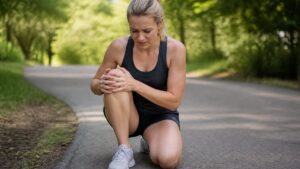
The first stage of rehabilitation focuses on protecting the injured area. A sports medicine provider assesses the injury and recommends steps to limit further stress on the tissue. These steps often include rest, ice, compression, and elevation, which are common methods for managing swelling and discomfort. Some athletes use braces, crutches, or slings, and others adjust their daily activities. While the injured area recovers, a provider may recommend gentle movement in nearby joints to limit stiffness.
Restoring Mobility and Flexibility
Once pain and swelling decrease, the focus shifts to mobility and flexibility. Mobility refers to how freely a joint moves, and flexibility refers to how far a muscle stretches. A sports medicine provider measures both at regular intervals. Common methods in this stage include the following:
- Range-of-motion exercises: Slow and controlled movements that guide a joint through its natural path.
- Stretching routines: Gentle stretches that target tight muscles around the injured area.
- Manual therapy: Hands-on techniques in which a therapist moves the joint or soft tissue.
- Low-impact activity: Options such as swimming or stationary cycling that keep the body active with less stress on the joints.
Rebuilding Strength and Control
Strength and control are fundamental for safe movement during sports. After an injury, muscles around the affected area often weaken, and the body may shift stress to other areas. This stage addresses these issues so that the athlete can move with balance and stability.
Building Gradual Strength
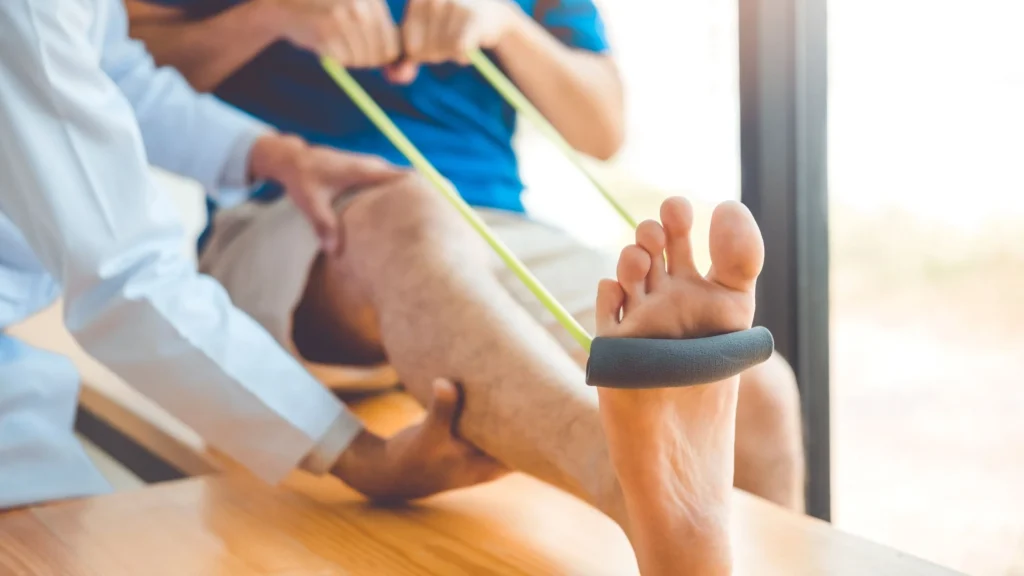
Strength training begins with light resistance, such as body weight or resistance bands. As the athlete progresses, the sports medicine provider adds weight or repetitions. Exercises target the injured area, and they also target the surrounding muscles that support it.
Improving Balance and Coordination
Movement control refers to how well the body coordinates muscles during activity. Balance drills, such as standing on one leg, train the body to stay stable on uneven surfaces. A provider observes the athlete’s form and corrects patterns that place extra stress on the joints. When control improves, the athlete moves on to more complex movements.
Preparing for Sports Participation
The final stage prepares the athlete for the specific demands of their sport. A soccer player may practice cutting and sprinting, while a baseball player works on throwing mechanics. These sport-specific drills start slowly, and they increase in speed and intensity over time.
A sports medicine provider uses objective tests before clearing an athlete to return. These tests often measure strength, balance, agility, and endurance, and providers compare results to the uninjured side. If the results fall short, the athlete continues training until they meet the target. Rehabilitation often includes education on injury prevention. A provider shares warm-up routines and training guidelines, and athletes continue these habits after recovery.
Schedule Your Sports Medicine Consultation
Rehabilitation protocols follow a clear sequence. The process begins with protecting the injury, then restoring mobility, rebuilding strength, and preparing for a return to sport. A provider adjusts the plan based on progress. While timelines vary from person to person, a structured approach gives athletes a defined path to activity. Contact a qualified orthopedic specialist near you to schedule your sports medicine consultation today.