Cardiovascular conditions affect how your heart and blood vessels deliver oxygen-rich blood throughout your body. Because every organ depends on steady circulation, heart problems may influence your energy, breathing, kidney function, and ability to stay active. Your primary care provider may refer you to a cardiologist if you experience chest pain, especially if it’s accompanied by shortness of breath, dizziness, or leg swelling. A referral may also be made after abnormal test results or if you have a family history of heart disease. Here’s more information on how cardiologists diagnose common heart conditions:
Your Consultation
To review your medical history, your cardiologist will ask when your symptoms started, how often they occur, and what activities trigger them. After discussing your health, your cardiologist will perform a physical exam and listen to your heart and lungs. Bring a list of your current medications, supplements, and previous test results to your consultation appointment. Family history is also relevant, since some heart conditions run in families. Mention any family history of heart-related conditions as well, including:
- High Blood Pressure
- High Cholesterol
- Type 2 Diabetes
- Obesity
Your cardiologist will also discuss lifestyle factors such as diet, physical activity, sleep, alcohol use, and tobacco use.
Your Health Screenings
A cardiac angiogram uses X-ray imaging and contrast dye to show blood flow through your coronary arteries. To do this, a cardiologist inserts a thin, flexible tube called a catheter into a blood vessel in your wrist or groin. The catheter is guided to your heart, where the dye is released. The resulting images help identify narrowed or blocked arteries. Depending on your health factors and angiogram results, your cardiologist may recommend other cardiovascular screening tests.
Your cardiologist may recommend cardiac catheterization when noninvasive tests suggest blocked arteries or when symptoms point to coronary artery disease. Many cardiologists use a radial-first approach, which accesses the heart through the radial artery in your wrist instead of the femoral artery in your groin. Right heart catheterization measures pressures in the right side of your heart and in the pulmonary arteries. Cardiologists may recommend this procedure to evaluate heart failure, pulmonary hypertension, or certain valve conditions.
Transthoracic and Transoesophageal Echocardiogram
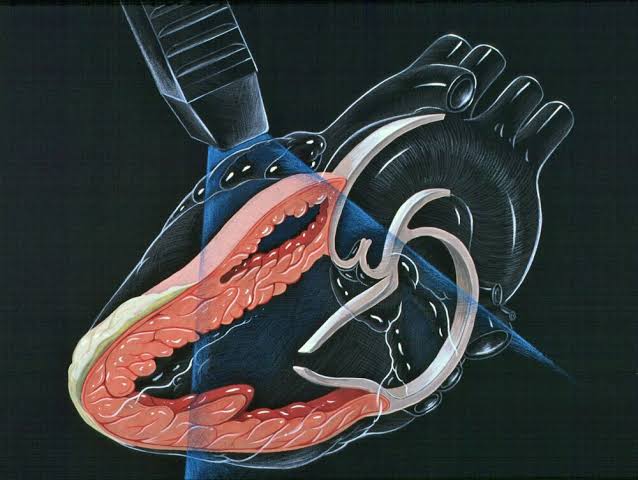
During a transthoracic echocardiogram, a technician moves a handheld device called a transducer across your chest. An echocardiogram uses sound waves to create moving images of your heart, so it is noninvasive and typically takes less than an hour. A transoesophageal echocardiogram provides a closer view of the heart. After you receive sedation and a numbing throat spray, a small transducer is guided down your esophagus, which sits directly behind your heart. Cardiologists often use this test to examine heart valves and check for blood clots.
Electrocardiogram and Stress Testing
An electrocardiogram (ECG or EKG) records your heart’s electrical activity through small sensors placed on your chest, arms, and legs. The test takes a few minutes and helps identify irregular rhythms or signs of previous heart damage, aiding a specialist’s diagnosis. Stress testing shows how your heart performs during physical exertion. You walk on a treadmill or ride a stationary bike while your care team monitors your heart rate, blood pressure, and ECG readings. If you cannot exercise, your cardiologist may use medication that simulates the effects of exercise on your heart.
Your Treatment Plan
Each patient’s findings differ, so treatment plans are specialized to your needs. After testing, your doctor reviews your results alongside your medical history and lifestyle factors. Your plan may include lifestyle changes, medications, ongoing monitoring, or additional procedures. Your cardiologist will explain each recommendation and schedule follow-up visits to track your progress.
Contact a Cardiologist Today
If you have chest discomfort, shortness of breath, or an irregular heartbeat, a cardiologist can evaluate your heart health. Schedule an appointment to discuss your symptoms and risk factors today. After your consultation, your cardiologist may recommend one or more diagnostic tests, as each test provides different information about your heart’s structure, function, or electrical activity.