Chronic and acute pain can disrupt daily life. Pain limits movement, and it reduces quality of life for some patients. Physical therapy offers a structured, non-invasive approach to managing pain while it addresses the underlying causes. Here is more information on what pain management involves, how physical therapy contributes to the process, and what patients can expect when they begin treatment:
What Does Pain Management Involve?
Pain management is a medical field focused on reducing pain and improving function. It often includes medication and interventional procedures; it also incorporates physical rehabilitation. Each component addresses a different aspect of the patient’s experience, which ranges from the physical sensation of pain to its impact on daily life.
A pain management plan is tailored to the individual. Treatment decisions vary because factors such as the type of pain, its duration, and the patient’s overall health differ from one patient to another. Acute pain, which results from injury or surgery, may respond well to short-term interventions, but chronic pain, which lasts longer than three months, often requires a broader strategy.
Collaboration between providers plays a role in successful pain management. Physicians and anesthesiologists work together, and each contributes a distinct perspective to the process. Together, they create a plan that addresses the various dimensions of pain. This team-based model supports long-term outcomes rather than temporary fixes.
How Does Physical Therapy Help?
Physical therapy reduces pain by improving mobility, strength, and function. Therapists use targeted exercises and manual techniques to address the root cause of discomfort, which may stem from muscle weakness, joint stiffness, or poor posture. Medication primarily manages symptoms, but physical therapy corrects the underlying issue. Because it targets the source of pain, this approach may produce longer-lasting results.
Movement-based treatment supports the body’s natural healing processes. Gentle stretching and strengthening exercises increase blood flow to affected areas; this increased circulation helps reduce inflammation and promote tissue repair. Patients who engage consistently in physical therapy may report improved range of motion. Over time, some of these patients may rely less on pain medication.
Physical therapy teaches patients how to protect themselves from future injury. Therapists may provide education on the following topics:
- Posture: Proper alignment during sitting, standing, and sleeping reduces strain on muscles and joints.
- Body mechanics: Correct techniques for lifting, bending, and reaching limit stress on vulnerable areas.
- Safe movement patterns: Guided exercises help patients move in ways that prevent re-injury.
What Does the Process Involve?
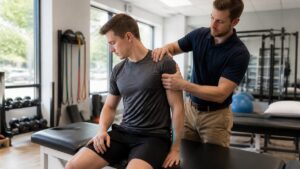
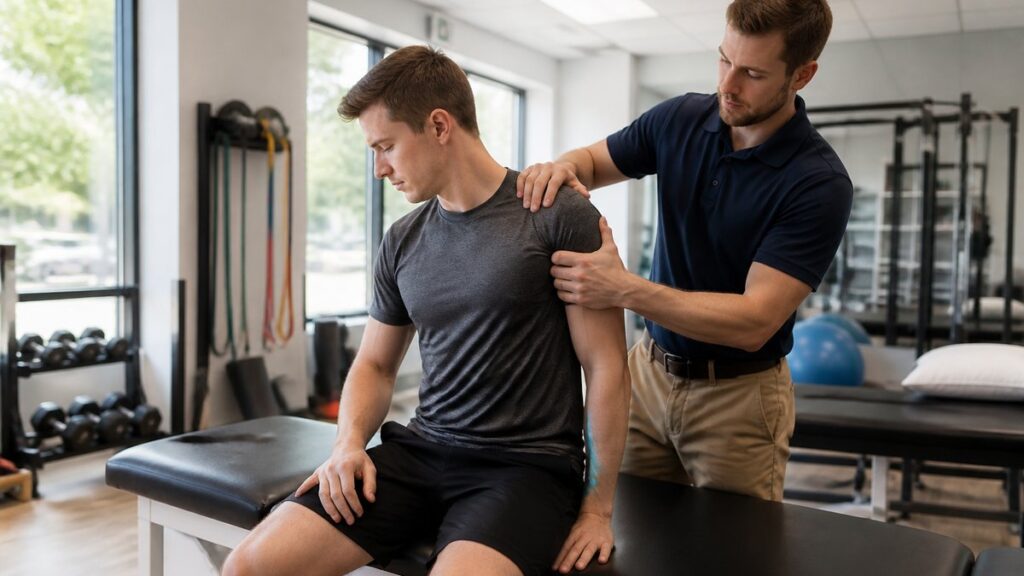
The physical therapy process begins with an initial evaluation; during this session, the therapist assesses the patient’s pain levels, range of motion, strength, and functional limitations. This assessment forms the basis for a personalized treatment plan. The plan addresses specific goals, such as reducing pain or restoring mobility, because each patient presents with different needs.
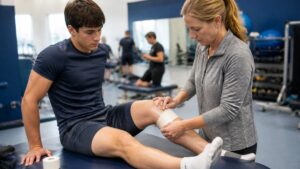
Treatment sessions may combine several techniques. Manual therapy directly addresses stiffness and tension. Therapeutic exercises build strength and flexibility over time. As patients progress, therapists adjust the plan by increasing intensity or introducing new exercises when appropriate, although the pace of change varies from patient to patient. Patients may attend sessions multiple times per week. The exact frequency depends on the severity and nature of the condition, so therapists set the schedule individually.
Learn More About Physical Therapy
Physical therapy offers a structured way to manage pain without relying solely on medication. By combining hands-on treatment, targeted exercise, and patient education, this approach addresses both immediate discomfort and long-term function. If you are experiencing persistent pain, consult a physical therapist. A proper evaluation can clarify which techniques will support recovery, and proper care helps improve daily functioning.