
Modern internal medicine focuses on diagnosing and effectively treating various diseases in adult patients, and it can address various needs. Dedicated doctors study complex human organ systems daily, and they manage chronic illnesses for a diverse patient population. Because many individuals have varying cultural backgrounds, knowledgeable healthcare providers adapt their medical methods to meet unique needs. Here is more information on addressing diverse needs with internal medicine:
Diagnostic Screenings
Physicians use advanced medical imaging to assess internal organs. When adult patients exhibit new symptoms, doctors order targeted laboratory blood tests immediately. Modern clinics process these lab samples locally, and medical staff may upload the results online. Standard internal medicine evaluations include:
- Routine cholesterol blood tests
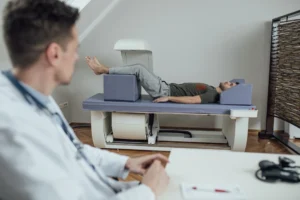
- Periodic bone density scans
- Annual colorectal disease screenings
Preventive Care
While specific treatments cure illnesses rapidly, skilled physicians prioritize routine disease prevention to maintain high community health standards. Modern local neighborhood clinics offer regular medical checkups to adult individuals of all ages and physical backgrounds. Medical staff consistently record accurate body weight readings, and they closely monitor resting blood pressure during every visit.
Routine wellness visits establish individual personal health baselines, and certified doctors track bodily changes over multiple consecutive years. If specific health risk factors suddenly appear, attending physicians address them before these medical conditions worsen significantly overnight. Adult patients receive extremely thorough physical health evaluations from highly knowledgeable medical care teams during these clinical visits.
Medical doctors regularly administer highly recommended seasonal vaccines to their adult patients during scheduled routine clinic preventative appointments. While the human body slowly builds immunity, protected patients avoid severe complications from common local contagious respiratory infections. Neighborhood health clinics stock necessary medical supplies, and they schedule convenient preventative immunization appointments throughout the year.
Multilingual Services
Because strict language barriers exist in large urban cities, many modern clinics hire trained medical interpreters for their staff. Dedicated language translators clearly explain complex medical terms, and confused patients understand their personal clinical diagnoses much better. Clear daily communication severely limits dangerous medical misunderstandings during complicated treatment plans at the neighborhood community health clinic.
Medical providers may speak multiple foreign languages fluently, and they ask standard medical screening questions. Bilingual staff members greet incoming sick patients at the main entrance, and they help guide each person to the correct area for care. Patients get support with paperwork, instructions, and follow-up questions in their preferred language. Clinics value these services as they support clear communication and make care more accessible to the whole community.
Remote Telemedicine
Because many patients live far away from health services, some clinics offer secure video appointments today. Digital health platforms connect individuals instantly, and doctors review physical symptoms through webcams. Virtual visits save travel time for busy adult workers and provide convenience.
Visit an Internal Medicine Clinic
Local medicine clinics typically accept new patients daily, and staff schedule prompt medical evaluations. Call your neighborhood healthcare center today to book your next appointment for comprehensive internal medicine care. After you complete basic registration paperwork, a medical professional will review your personal health history.