

What to Know About Skin Cancer in Different Skin Types
Skin cancer can affect people of every skin type, although risk levels and visible signs may differ across skin tones. Understanding these differences can help people recognize concerning changes and discuss them with a dermatologist. Here is an overview of what to know about skin cancer in different skin types: Understanding Risk Across Skin Tones Dermatologists often describe skin type using the Fitzpatrick scale. This scale sorts skin into six types based on how it reacts to sun, from Type I, which always burns, to Type VI, which rarely burns. Lighter skin types contain less melanin, the pigment that gives

Understanding the IVF Service Process From Consultation to Transfer
In vitro fertilization (IVF) combines eggs and sperm in a laboratory dish, and the resulting embryos grow for several days. A doctor then places one into the uterus. Since each stage follows a set timeline, knowing the steps helps you plan work, travel, and appointments. This is how the IVF service process works, from your first visit to embryo transfer: Initial Consultation When you arrive for your first IVF service visit, a fertility specialist reviews your medical and reproductive history. Bring records of past pregnancies, surgeries, and fertility treatments. The doctor asks about your menstrual cycle, and your partner answers

Making the Most of Your Urgent Care Visit
Urgent care centers treat illnesses and injuries that need same-day attention but are not emergencies. Common reasons for a visit include sprains, minor cuts, sore throats, and ear infections. Many centers accept walk-in patients, and many stay open in the evening and on weekends. Here are some ways to make the most of your urgent care visit: Know Your Health History The provider at an urgent care clinic usually has not treated you before. They may not have access to records from your primary care doctor or specialists. Bring a written list of your current medications, including the dose and

The Benefits of Stretching for Achilles Tendinitis
Achilles tendinitis is irritation of the band of tissue that connects your calf muscles to your heel bone. It often develops from overuse, sudden increases in activity, or tight calf muscles. Rest and ice will ease minor symptoms, but your provider might also recommend a stretching routine. When you stretch with proper form, you prepare the tendon for movement. Stretch Your Calf and Tendon Tight calf muscles pull on the Achilles tendon with each step. This repeated tension will increase irritation, and it can cause Achilles tendonitis. Gentle stretching can lengthen these muscles gradually, and this helps reduce the strain placed
The OBGYN’s Role in Supporting Women’s Health Throughout Life
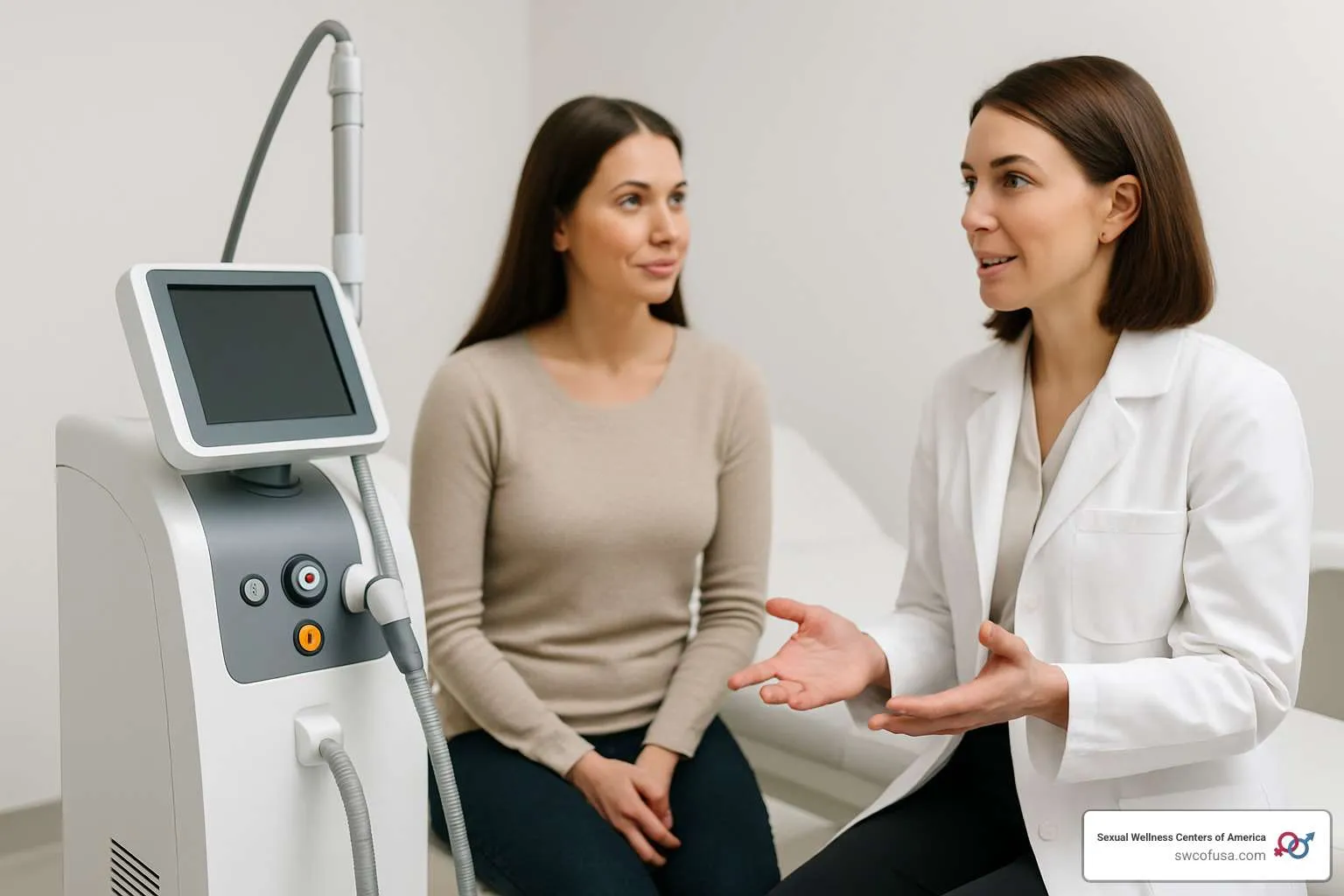
An obstetrician-gynecologist (OBGYN) is a physician who specializes in the female reproductive system, and they also manage pregnancy, childbirth, and the postpartum period. Many women first visit an OBGYN in their teens, and some stay with the same provider for decades. Here is more information on the role of an OBGYN: Providing Medical Guidance The American College of Obstetricians and Gynecologists recommends a first visit between ages 13 and 15, but it typically does not include a pelvic exam. A doctor talks with the patient about her health history, and she has time to ask questions. The doctor talks with

Understanding the Long-Term Benefits of Weight Loss Surgery
Surgical weight loss offers lasting benefits beyond weight loss, including improvements in obesity-related health conditions and quality of life. These outcomes depend on factors such as the procedure and sustained lifestyle changes. Here is a closer look at the long-term benefits of weight loss surgery: Sustainable Weight Management Weight loss surgery provides patients with a tool for consistent weight reduction over time. Procedures may reduce stomach capacity, so patients feel full after smaller meals. Gastric bypass and the duodenal switch also change how the body absorbs calories. Results vary from person to person, and outcomes depend heavily on daily habits

The Dual Benefits of EMSculpt for Muscle Building and Fat Reduction
EMSculpt is a nonsurgical body contouring treatment designed to build muscle and reduce fat in targeted areas. It uses electromagnetic energy to stimulate repeated muscle contractions, with results varying by individual and treatment plan. Here is a closer look at the dual benefits of EMSculpt for muscle building and fat reduction: Muscle Building EMSculpt uses high-intensity focused electromagnetic energy, often shortened to HIFEM, to trigger muscle contractions. These contractions are much stronger than the ones you produce during a typical workout, and they repeat thousands of times in a single session. When muscles contract at this intensity, the body responds

What To Know Before Getting Medical Help for Headaches
Headaches can disrupt daily activities, and understanding their pattern can help you prepare for a medical evaluation. Tracking when they occur, how they feel, and accompanying symptoms gives your healthcare provider useful information. Here is an overview of what to know before getting medical help for headaches: When Do Headaches Need Care? Occasional headaches are common, and some people manage them at home. Certain patterns signal that a medical evaluation is a helpful next step. The following signs indicate that you should contact a healthcare provider: Which Symptoms Should You Track? A record of your headaches gives your provider specific

How a Cardiologist Can Help You Navigate Heart-Related Emergencies
Heart-related emergencies require prompt medical attention to reduce the risk of serious complications. A cardiologist works with emergency care teams to assess heart function, guide treatment, and plan follow-up care. Here is more information on how a cardiologist can help you navigate heart-related emergencies: Urgent Signs Requiring Action Heart-related emergencies often begin with symptoms that appear suddenly or build over time. Symptoms vary from person to person. Recognizing these signs helps you act quickly, and quick action gives medical teams more time to respond. Call 911 if you or someone nearby shows any of the following symptoms: Emergency responders begin
The Role of Endoscopy in Gastroenterology
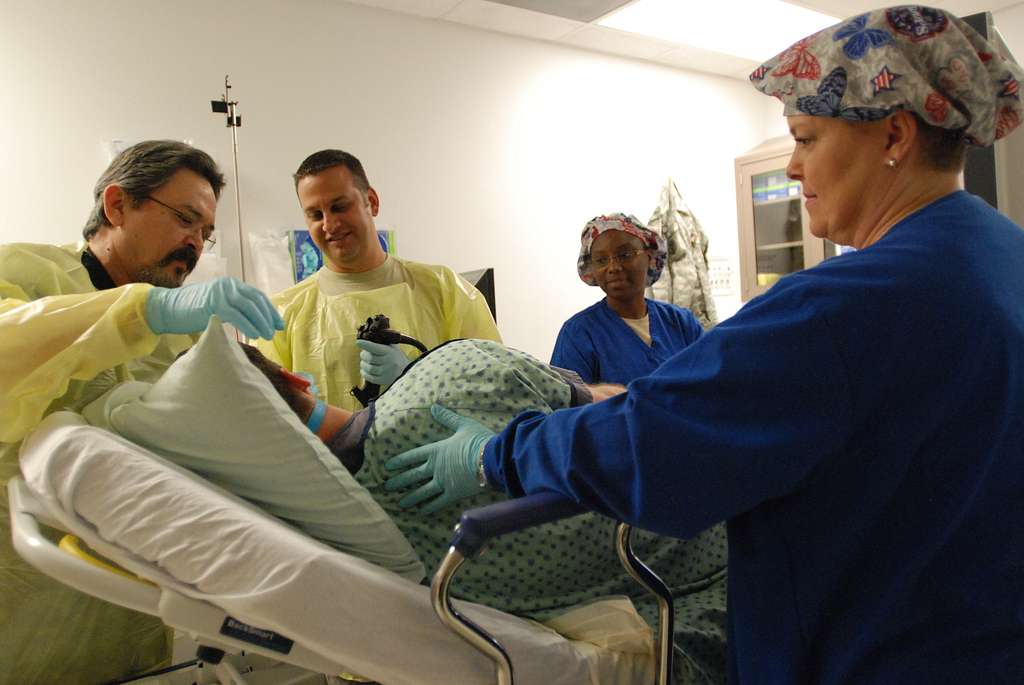
Endoscopy uses a thin, flexible instrument with a camera to examine the digestive tract and identify abnormalities. Gastroenterologists use upper endoscopy to evaluate conditions such as gastroesophageal reflux disease (GERD), ulcers, and inflammation. Although procedures vary by location, colonoscopy allows providers to examine the colon, detect polyps, and screen for colorectal cancer. Here is more information about the role of endoscopy in gastroenterology: Diagnosing Digestive Disorders Early Endoscopy allows a gastroenterologist to examine digestive tract tissue and identify abnormalities that may contribute to gastrointestinal symptoms. The procedure provides direct visualization of inflammation, ulcers, and structural changes that require further evaluation.