

Coping Mechanisms for Everyday Anxiety
Anxiety can flare up before a job interview, and many notice it during busy weeks. When worry lasts for weeks or disrupts daily tasks, it may point to an anxiety disorder. Here are several practical coping methods for everyday anxiety: Breathing Mindfully When anxiety rises, your breathing may become shallow and fast. Slow, deliberate breaths signal your nervous system to settle. Many people practice box breathing, and you only need a quiet minute to try it. You may feel lightheaded at first, so pause and breathe normally. Follow these steps once or twice a day: Participating in Talk Therapy Talk

Rehabilitation Protocols in Sports Medicine After an Injury
Returning to physical activity after an injury requires a structured recovery plan. In sports medicine, rehabilitation protocols guide the gradual restoration of movement and function based on the injury and the individual’s progress. Here is a closer look at rehabilitation protocols in sports medicine after an injury: Protecting Injuries and Managing Symptoms The first stage of rehabilitation focuses on protecting the injured area. A sports medicine provider assesses the injury and recommends steps to limit further stress on the tissue. These steps often include rest, ice, compression, and elevation, which are common methods for managing swelling and discomfort. Some athletes use

Causes and Risk Factors of Retinal Detachment
The retina is a thin layer of light-sensitive tissue at the back of the eye; it converts light into signals that travel through the optic nerve to the brain. Retinal concerns can develop for many reasons, including physical damage, natural aging, and inherited traits. Retinal detachment occurs when the retina pulls away from the blood vessel layer that supplies it with oxygen and nutrients. Here’s more information on the causes and risk factors of retinal detachment to help you know when to get an eye examination: Damage To the Retina Most detachments begin with a retinal break, which can look

Common Questions About Annual Check-Ups Answered
Annual check-ups provide opportunities for physicians to evaluate overall health, review medical history, and identify potential concerns. During these visits, providers may assess vital signs, recommend preventive screenings, and discuss vaccinations or lifestyle habits. Because individual health needs vary, physicians tailor examinations and follow-up recommendations to each patient’s age, medical history, and risk factors. Here is more information about questions about annual check-ups: What Happens During Check-Ups? Annual check-ups allow physicians to review general health, monitor existing conditions, and discuss changes in daily habits. During these visits, providers assess vital signs, review medical history, and discuss nutrition, sleep, physical activity,

Understanding Major Depressive Disorder Treatment
Major depressive disorder affects a person’s mood, sleep, appetite, concentration, and energy levels. Many people find relief with antidepressants and talk therapy, but when symptoms persist despite trying at least two antidepressants, doctors may classify the condition as treatment-resistant depression. If standard medications have not provided enough improvement, you may benefit from a prescription nasal spray containing esketamine. Here is information on esketamine and what to know about this major depressive disorder treatment: How Esketamine Works The U.S. FDA has approved esketamine nasal spray for adults with treatment-resistant depression and those with major depressive disorder who have depressive symptoms and
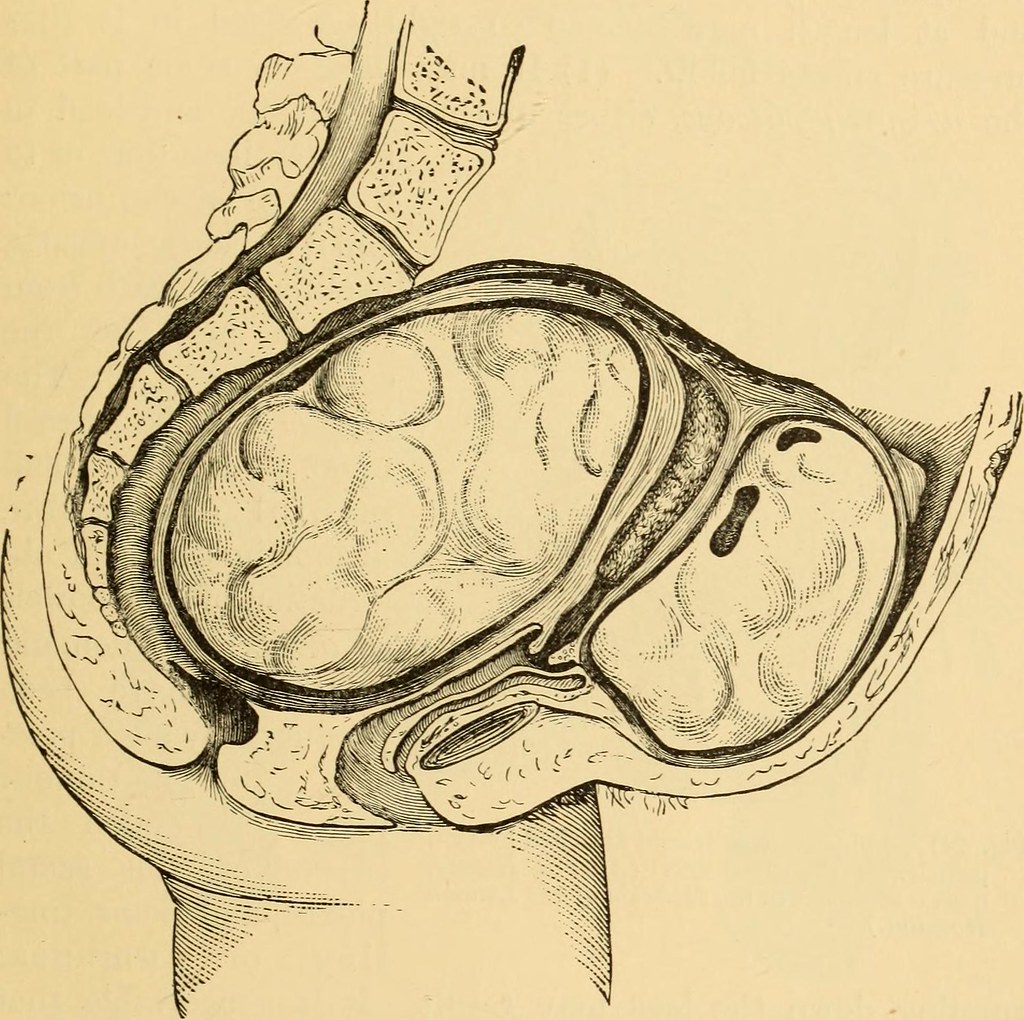
What You Need To Know About Fibroid Symptoms and Treatment
Uterine fibroids are noncancerous growths that develop in or around the uterus. Symptoms range from heavy menstrual bleeding and pelvic pressure to pain during intercourse, and the severity varies from patient to patient. Treatment options include medication, hormonal therapy, and surgical procedures such as myomectomy or hysterectomy, though the appropriate choice depends on symptom severity and reproductive goals. Here is more information on fibroids: What Are Fibroid Symptoms? Fibroid symptoms vary widely between patients. Heavy or prolonged menstrual bleeding is a common issue, and some women may also notice pelvic pain, lower back pain, or a sensation of pressure in

Exploring Available Arthritis Treatment Options
Arthritis is a broad term for conditions that affect joints and the surrounding tissues. More than 100 types exist; osteoarthritis and rheumatoid arthritis are among the most common. Because each type follows its own pattern, providers tailor treatment plans to the individual. Here’s more information about this condition and how to treat it: Reviewing Medication-Based Treatments Anti-inflammatory and pain-relief medications are a fundamental part of many arthritis treatment plans. Providers may discuss these options based on the type of arthritis, the severity of symptoms, and the patient’s overall health profile. Medication categories range from over-the-counter options to prescription drugs. Corticosteroid

What To Know About Transcranial Magnetic Stimulation for Treating Depression
Transcranial magnetic stimulation (TMS) is a noninvasive treatment for major depressive disorder, and many outpatient clinics offer it. If you are weighing options beyond medication and therapy, knowing how TMS works may help your next appointment. Here is more information on this treatment and how it can help people with depression: Uses Magnetic Pulses When your session begins, a technician positions a magnetic coil against your scalp near your forehead. The coil delivers brief, focused magnetic pulses to a specific area of the brain. These pulses feel like light tapping, and the device makes a loud clicking sound. Most clinics

Understanding the First Steps in Critical Care and Emergency Services
Medical concerns can arise unexpectedly and require prompt evaluation and treatment. Understanding the difference between urgent medical needs and life-threatening emergencies helps you determine whether to visit an urgent care clinic or seek emergency services. Some clinics treat acute illnesses and minor injuries, so patients can access timely evaluations and treatment. Here are some of the first steps in critical care and emergency services: Identifying a Medical Emergency Recognizing the signs of a medical emergency can make a difference in getting timely, effective care. Call 911 if someone shows signs of a life-threatening condition. Common warning signs include: Some conditions, such

How Psychiatrists Can Aid in Crisis Intervention
A psychiatrist evaluates mental health crises by assessing symptom severity, medical history, and potential safety concerns. During an evaluation, providers identify immediate treatment needs and discuss appropriate interventions based on individual circumstances. Because mental health crises vary in presentation, psychiatrists develop individualized care recommendations and coordinate follow-up services when necessary. Here is more information about how psychiatrists can aid in crisis intervention: Assessing Crisis Severity A psychiatrist assesses mental health crises by reviewing current symptoms, medical history, and changes in daily functioning. Evaluations often address emotional distress, behavioral changes, and potential safety concerns. Because psychiatric symptoms sometimes overlap between conditions,