

Exploring Targeted Approaches in Cancer Care
Targeted approaches in cancer care focus on specific features of cancer cells; this includes genes, proteins, or other biological markers. Unlike treatments that act broadly on dividing cells, targeted approaches use detailed information about an individual tumor to guide each decision. Here are several things to know about these approaches, how they differ from traditional treatments, and how patients work with their care teams: Comparing Traditional and Targeted Methods Traditional cancer treatments include surgery, radiation therapy, and chemotherapy. Chemotherapy acts on rapidly dividing cells, a group that includes both cancer cells and certain healthy cells. Surgery and radiation direct their

The Role of Sun Protection in Skin Cancer Prevention
Ultraviolet (UV) radiation from the sun can damage skin cells and increase the risk of skin cancer. Sun protection habits, such as using sunscreen and seeking shade, can help reduce this exposure. Here is a closer look at the role of sun protection in skin cancer prevention: Harmful UV Exposure The sun emits two main types of UV light that reach the ground: UVA and UVB. UVA rays travel deeper into the skin, and they contribute to wrinkles and other signs of aging. UVB rays mainly affect the outer layer of skin, which is why they cause most sunburns. When

Understanding Modern Wound Care
Modern wound care involves assessing an injury, identifying factors that may delay healing, and selecting treatment suited to the patient’s needs. Approaches may include specialized dressings and care for underlying health conditions. Here is more information on modern wound care: Wound and Cause Assessment The first step in wound care is a detailed assessment. A provider measures the wound’s length, width, and depth, and they record its appearance, drainage, and the condition of the surrounding skin. These measurements create a baseline that the care team uses to track changes over time. Identifying the underlying cause is just as key as

What To Know About Gout Treatment and Management
Gout is an inflammatory arthritis that develops when uric acid builds up in the blood and forms sharp crystals in a joint. The big toe is a frequent site, but other joints may also be affected. These crystal deposits trigger sudden episodes of swelling, redness, and joint pain, which are known as flares. Because this is a chronic condition, managing it may require a sustained, multi-step approach rather than a one-time fix. Here are some things to know about gout treatment options, daily habits, and when to contact a health care provider: Understanding Gout Treatment Options Health care providers may
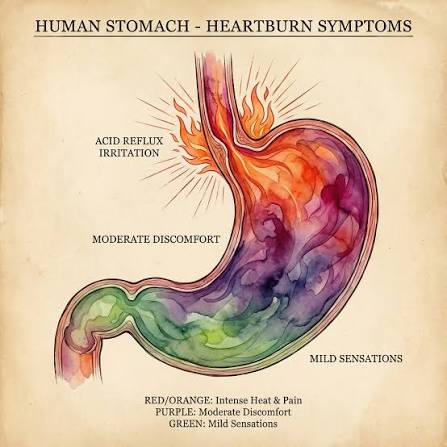
Exploring Acid Reflux Treatments
Acid reflux occurs when stomach acid flows back into the esophagus, the tube connecting the mouth to the stomach. A ring of muscle at the base of the esophagus normally closes after food passes through, but it sometimes relaxes at the wrong time. This occurrence allows acid to travel upward, and heartburn is a common result. When this happens regularly, providers may use the term gastroesophageal reflux disease, or GERD. Treatment approaches for acid reflux vary widely. Some people start with daily habit changes, while others use over-the-counter products or prescription medications. Here’s information about several acid reflux remedies: Adjusting Daily
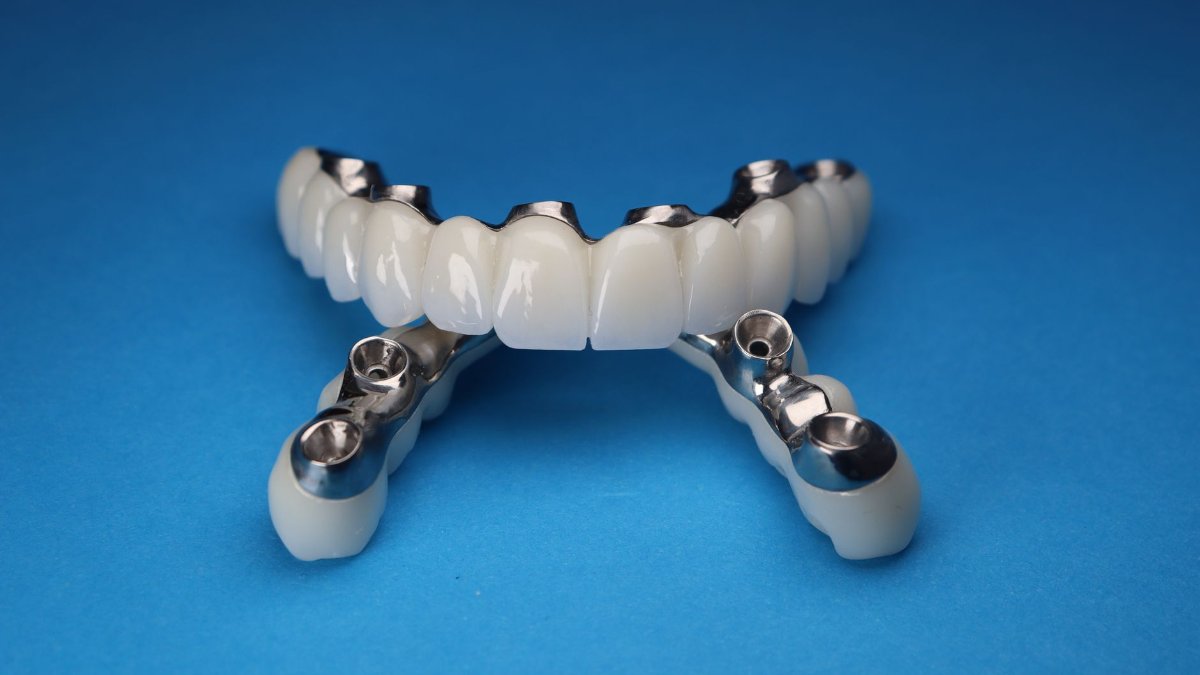
When Are All-on-6 Restorations Needed?
All-on-6 is a dental treatment that replaces a full arch of teeth with a fixed bridge, and it attaches to six titanium implants placed in your jawbone. Unlike dentures, the bridge stays in place, and only your dentist removes it for cleaning or repairs. Before your dentist recommends it, they will review your bone, gums, and overall health. This is when this restoration is needed: Multiple Missing Teeth Some people lose teeth one at a time, and others lose several teeth after decay or gum disease. When most teeth in an arch are missing or failing, single implants may not
How a Pain Clinic Can Help With Tailored Treatment Plans
Chronic pain affects daily tasks, sleep, and work. A pain clinic focuses on the source of your pain, and it builds a plan around your specific needs. Each person responds to treatment differently, so a single approach may not address your symptoms. When a team understands your history, it selects fitting options. Pain Source Evaluation Process A tailored pain clinic plan starts with a detailed evaluation, so answer all questions honestly. Your provider reviews your medical history and asks about the location, timing, and type of pain. A physical exam checks your strength, reflexes, and range of motion. Imaging tests
The Relationship Between ADHD and Executive Functioning
Executive functioning includes the mental skills used to plan, organize, manage time, and regulate behavior. ADHD can affect these skills, making it harder to initiate tasks, follow instructions, and meet daily responsibilities. Here is a closer look at the relationship between ADHD and executive functioning: ADHD and Executive Functioning Executive functions are a management system for daily behavior. They include working memory, which holds information for short-term use, and inhibitory control, which helps a person pause before acting. Clinicians commonly associate ADHD with differences in how these skills develop and operate. When these functions do not work efficiently, a person
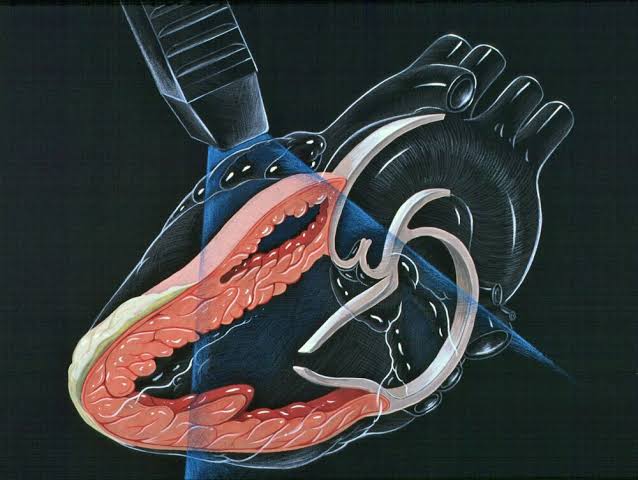
How Cardiologists Diagnose Common Heart Conditions
Cardiovascular conditions affect how your heart and blood vessels deliver oxygen-rich blood throughout your body. Because every organ depends on steady circulation, heart problems may influence your energy, breathing, kidney function, and ability to stay active. Your primary care provider may refer you to a cardiologist if you experience chest pain, especially if it’s accompanied by shortness of breath, dizziness, or leg swelling. A referral may also be made after abnormal test results or if you have a family history of heart disease. Here’s more information on how cardiologists diagnose common heart conditions: Your Consultation To review your medical history,
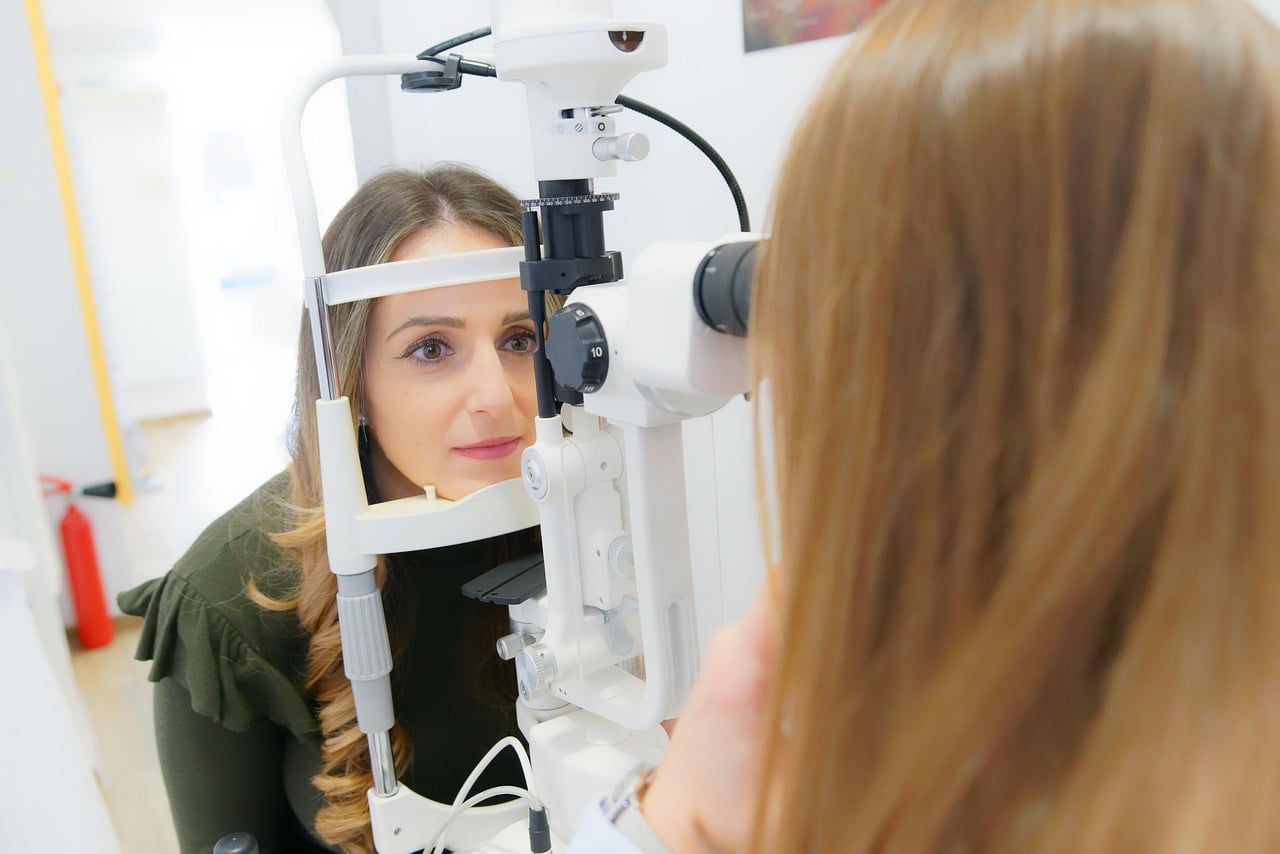
How Eye Exams Can Help Monitor Chronic Conditions
A comprehensive eye exam evaluates both your vision and your eyes’ physical health. During the visit, your provider checks how clearly you see, measures eye pressure, and examines eye structures. The eye is the only place in the body where blood vessels and nerve tissue are visible without surgery, so these exams give providers a direct view of changes linked to chronic conditions. Here are some ways eye exams help monitor chronic conditions: Observes Blood Vessels When your provider dilates your pupils with eye drops, they get a wider view of the retina at the back of your eye. The