

Addressing Diverse Needs With Internal Medicine
Modern internal medicine focuses on diagnosing and effectively treating various diseases in adult patients, and it can address various needs. Dedicated doctors study complex human organ systems daily, and they manage chronic illnesses for a diverse patient population. Because many individuals have varying cultural backgrounds, knowledgeable healthcare providers adapt their medical methods to meet unique needs. Here is more information on addressing diverse needs with internal medicine: Diagnostic Screenings Physicians use advanced medical imaging to assess internal organs. When adult patients exhibit new symptoms, doctors order targeted laboratory blood tests immediately. Modern clinics process these lab samples locally, and medical

Benefits of Stretching for Preventing Sports Injuries
Stretching is a significant part of physical preparation and recovery for athletes and active individuals. When included as part of a consistent routine, it may help improve flexibility and support muscle function, which can help lower the risk of sports injuries. Here is a closer look at the benefits of stretching for preventing sports-related injuries: Improving Range of Motion Flexibility dictates how efficiently a joint moves through its full range of motion. Tight muscles restrict natural movement patterns, and this limitation can contribute to sports injuries during intense activities. When athletes stretch regularly, they elongate muscle fibers, which allows joints
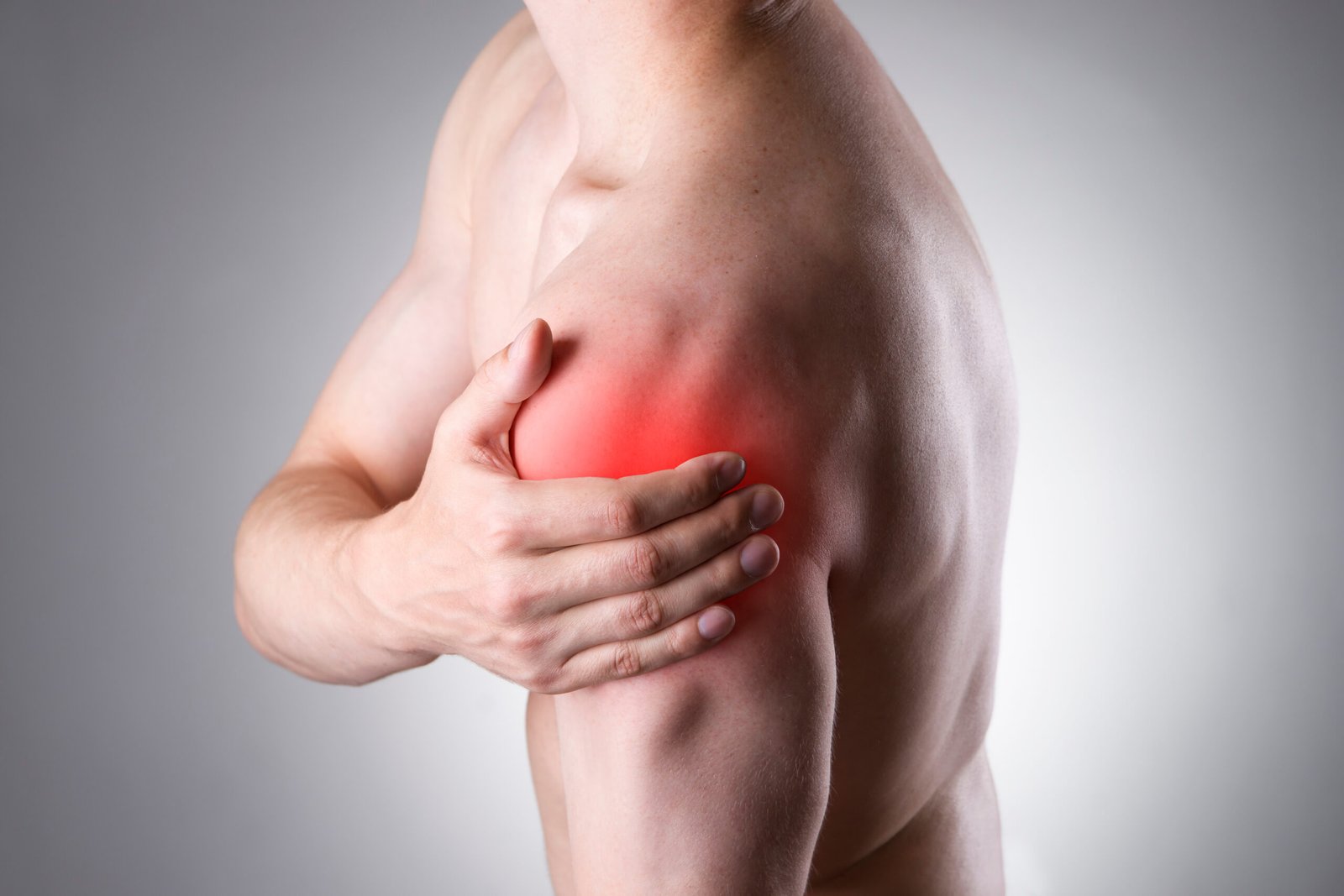
The Benefits of Minimally Invasive Shoulder Replacement Techniques
Shoulder pain can severely limit daily activities, necessitating medical intervention. Minimally invasive shoulder replacement surgery offers an effective solution for severe joint degradation. This procedure involves removing damaged tissue, and surgeons replace it with artificial components to restore function. Here is more information on this surgery and minimally invasive techniques: What Is Shoulder Replacement Surgery? Shoulder replacement surgery is an orthopedic procedure designed to relieve pain in a dysfunctional joint. Medical professionals refer to this operation as shoulder arthroplasty, and they recommend it when conservative treatments fail. The surgeon extracts the degraded bone surfaces of the shoulder joint. Artificial implants
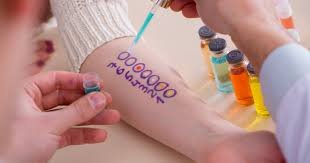
Understanding the Different Types of Allergy Testing Available
Allergy testing helps medical professionals identify the specific triggers for your daily physical symptoms. Doctors use these modern diagnostic tools regularly, and they share the clear results with their patients. Because untreated allergies cause ongoing discomfort, symptomatic individuals may seek clear answers from reliable local medical providers. Here are some of the different types of allergy testing methods: Scratch Tests The standard scratch test uses a tiny plastic needle, but it does not cause any bleeding. The specialized medical device barely penetrates the uppermost protective layer of your skin. Because the small needle scratches the very top surface, patients typically
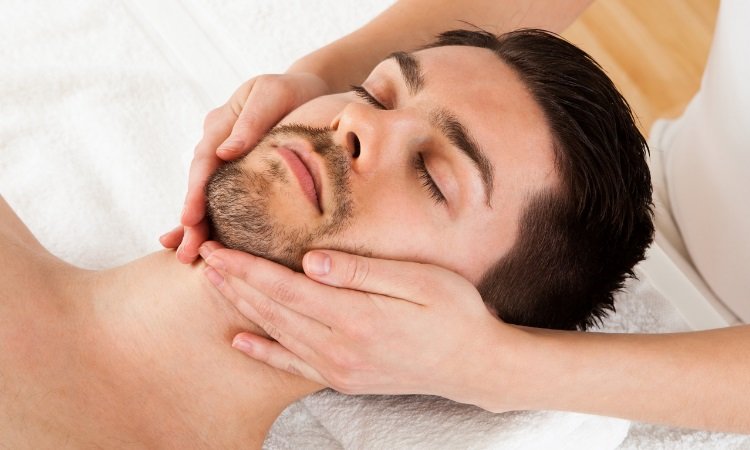
Types of Aesthetic Treatments To Explore
Aesthetics includes a wide range of treatments that address concerns related to skin appearance, facial balance, and overall cosmetic enhancement. Aesthetics services can support different goals based on an individual’s needs and preferences. Here is a look at several types of cosmetic aesthetics that patients can explore when deliberating on their options: Refresh Skin With Surface Treatments Surface-level cosmetic aesthetics target the outermost layer of your skin. These procedures remove debris, and they exfoliate dead skin cells to reveal healthier layers underneath. When patients choose surface-level treatments, they often experience minimal downtime. Facials for Deep Cleansing Facials offer a fundamental
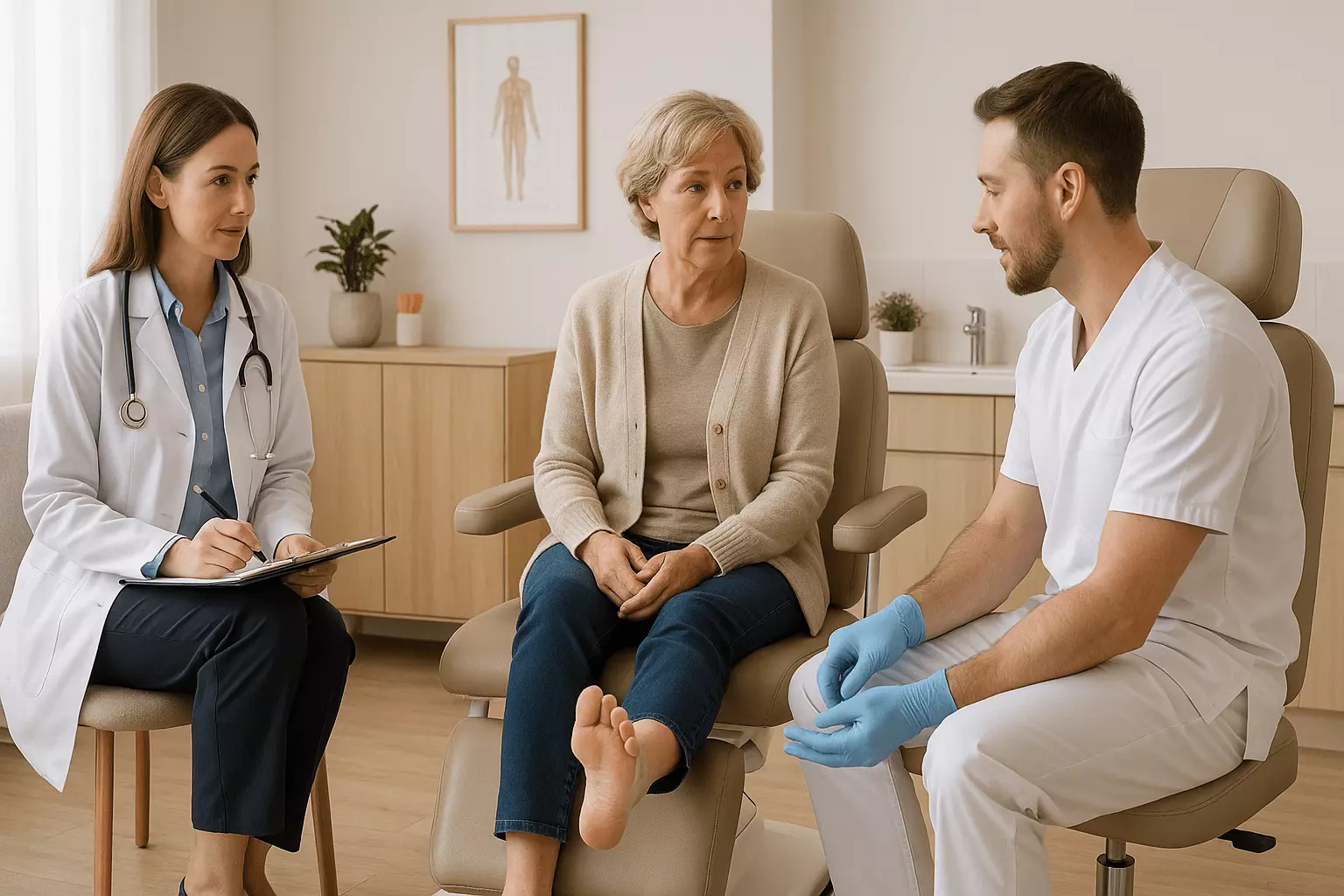
How to Choose the Right Orthopedic Surgeon for Your Needs
Orthopedic surgeons are medical doctors who specialize in the diagnosis and treatment of disorders of the musculoskeletal system; this complex system includes your bones, joints, ligaments, tendons, and muscles. When you face an injury or a chronic musculoskeletal condition, finding the right provider is a significant step. Choosing the right orthopedic surgeon helps your treatment plan align with your specific lifestyle needs and recovery goals. The provider you select will guide you through conservative management, potential surgical interventions, and post-operative rehabilitation. Credentials and Certification The first step in evaluating a potential provider is reviewing their formal qualifications. Board certification is
Tips for Preparing for a CPR Class
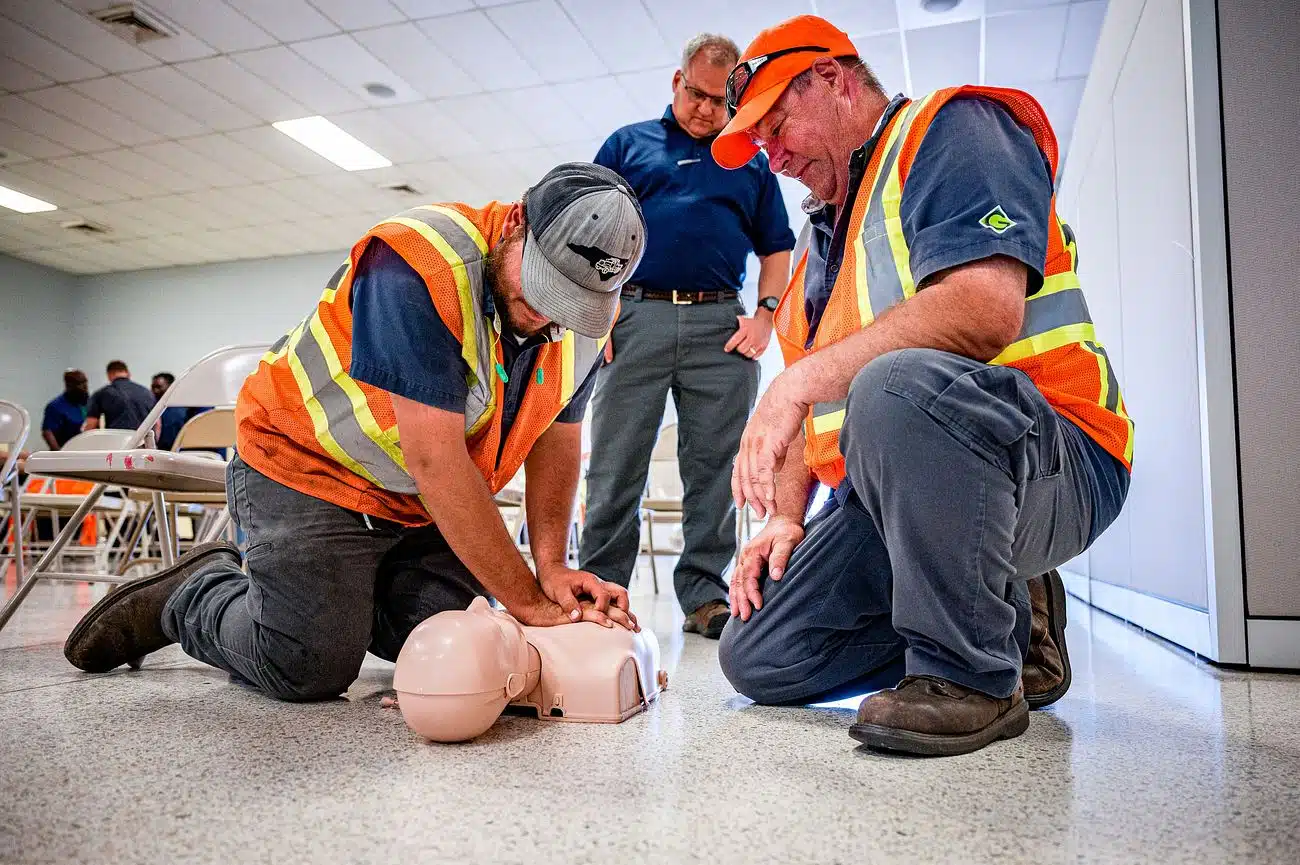
Passing your CPR certification class provides lifesaving skills useful to first responders, healthcare professionals, and anyone in need of this certification. In most cases, individuals register for these classes to comply with regulations that help prepare staff and businesses to deal with emergencies. These skills often help you understand what to do in case of emergencies, and knowing what to expect in this class improves your chances of success. Here are tips for preparing for a CPR class: Reviewing Course Materials Before Arrival The trainer you choose to work with often provides course manuals after registration. You can read the
The Role of Podiatry in Preventing Foot Injuries
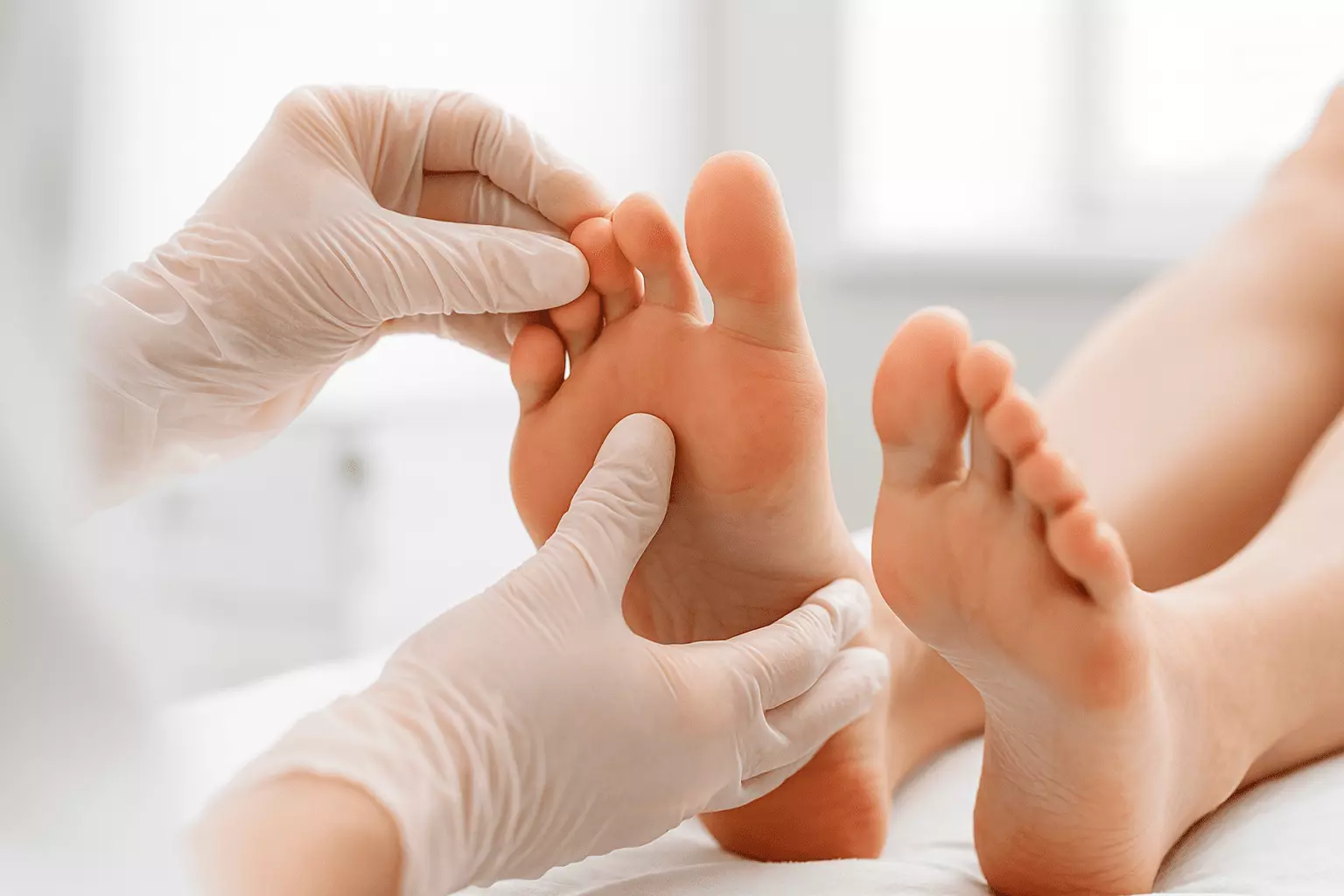
Foot injuries range from acute sprains and strains to chronic issues like stress fractures and tendonitis. These conditions often develop when the complex network of bones, ligaments, and muscles in your feet absorbs uneven or excessive pressure. Foot injuries result from excessive physical stress, and podiatry focuses on identifying these stressors early. By evaluating your foot structure and movement patterns, a podiatrist can recommend practical interventions to support your lower limbs. This proactive approach aims to reduce the likelihood of discomfort and keep you moving safely. Biomechanical Analysis in Podiatry A core component of injury prevention is understanding how your
What To Expect After Orthopedic Surgery
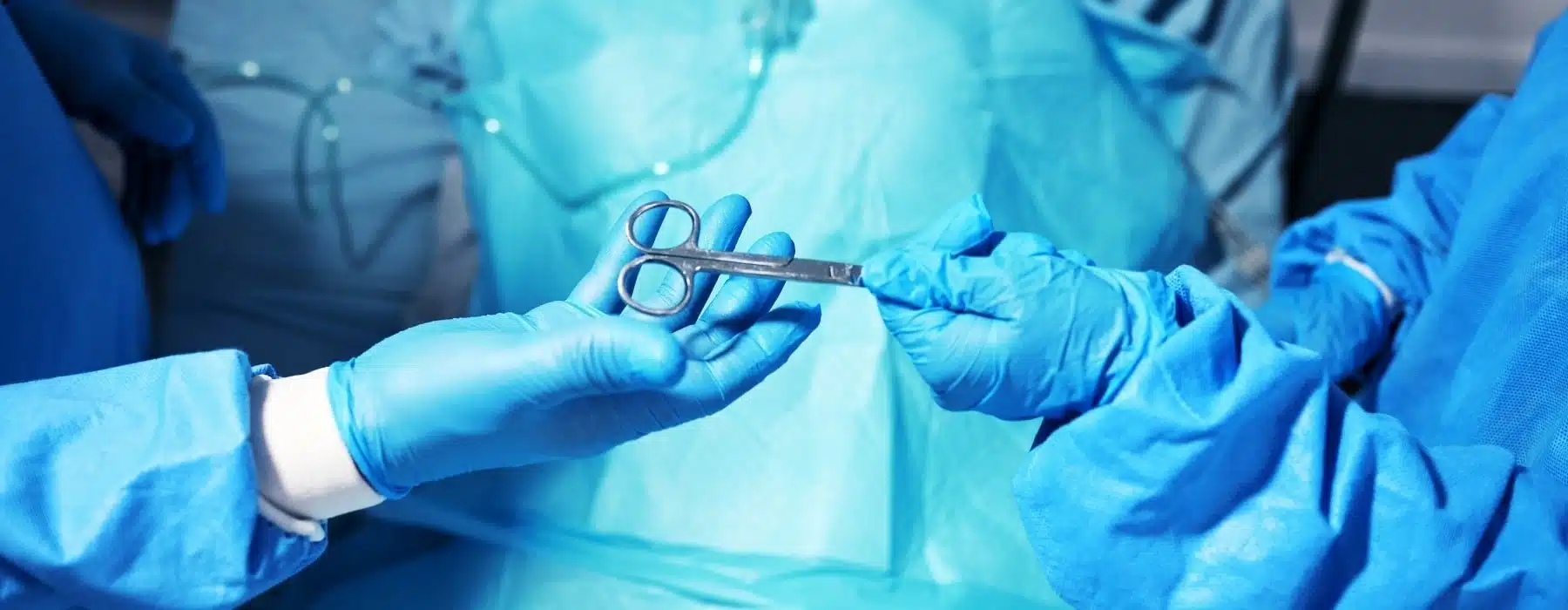
Orthopedic conditions involving the spine can require medical intervention from an orthopedic surgeon to alleviate discomfort and restore physical function. Patients facing these procedures may have questions regarding the surgical process, including the subsequent recovery phase. Understanding the different aspects of operative care helps individuals prepare for the rehabilitation period that follows. What Is Orthopedic Surgery? An orthopedic surgeon utilizes orthopedic surgery to correct anatomical issues that cause pain or limit mobility. Spine surgeons focus on the bones, joints, ligaments, and nerves that comprise the spinal column. The primary goal of operative treatment is to stabilize the affected area, relieve pressure
Signs You Need to Schedule an Appointment with a Podiatrist
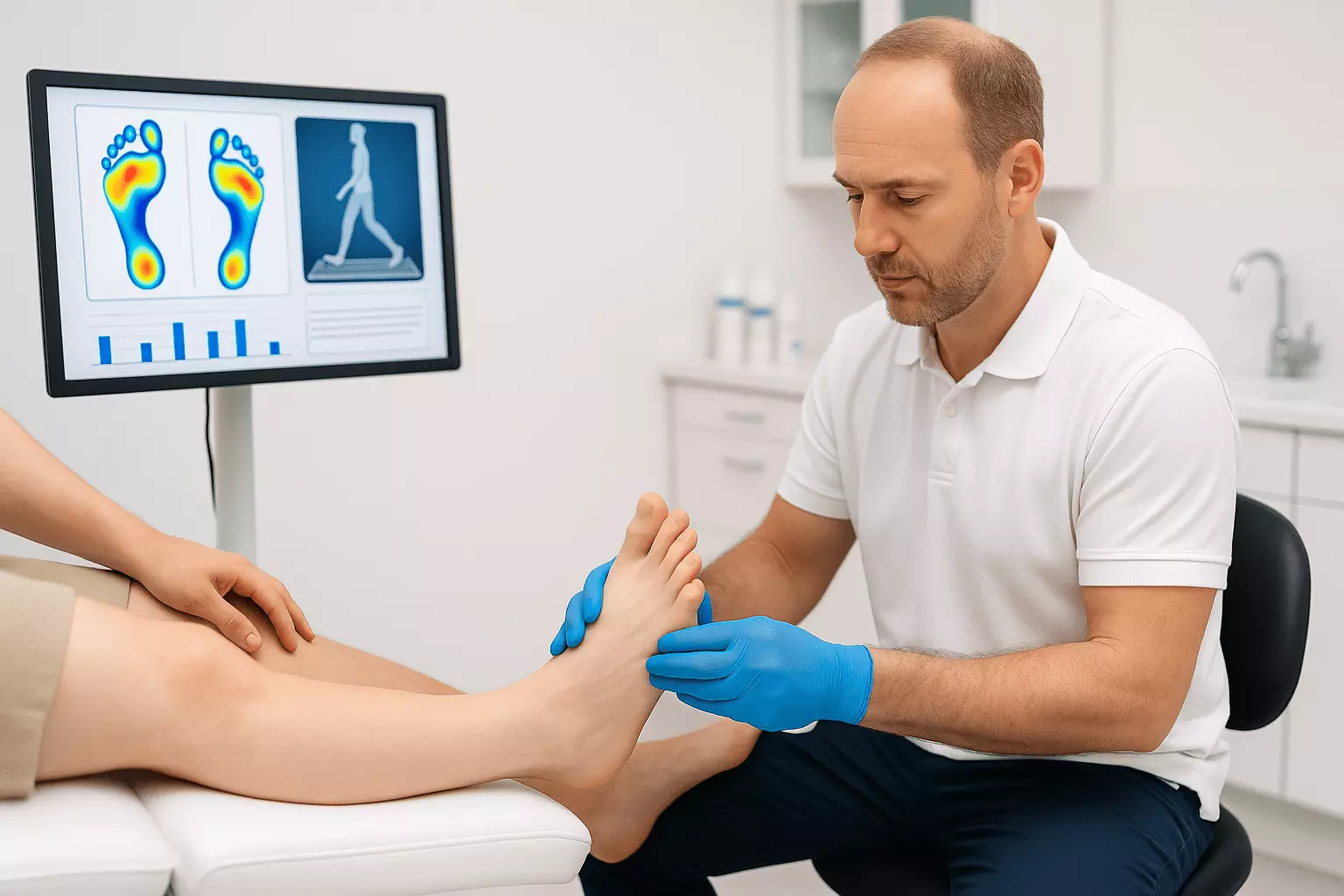
The feet bear the weight of daily movement, so foot and ankle problems can produce widespread structural issues. Discomfort in the lower extremities may alter your walking pattern, leading to posture irregularities and knee pain. Recognizing the specific signs of foot and ankle complications allows patients to seek timely medical care. A podiatrist’s evaluation identifies the root causes of distress, mapping out a clear path toward structural recovery. What Conditions Affect Feet? The human foot is a highly complex structure comprising hundreds of interacting components, including bones, muscles, connective tissues, and nerves. This intricate anatomy means a multitude of distinct