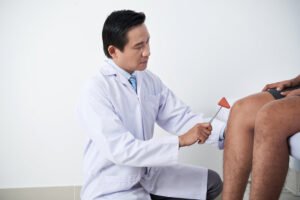

Orthopedic surgeons are medical doctors who specialize in the diagnosis and treatment of disorders of the musculoskeletal system; this complex system includes your bones, joints, ligaments, tendons, and muscles. When you face an injury or a chronic musculoskeletal condition, finding the right provider is a significant step. Choosing the right orthopedic surgeon helps your treatment plan align with your specific lifestyle needs and recovery goals. The provider you select will guide you through conservative management, potential surgical interventions, and post-operative rehabilitation.
Credentials and Certification
The first step in evaluating a potential provider is reviewing their formal qualifications. Board certification is a reliable indicator of a surgeon’s training and competence. Verify a surgeon’s board certification and also check their state disciplinary record. Board-certified orthopedic surgeons have completed extensive medical education, a multi-year residency program, and rigorous peer-evaluated examinations. Reputable surgeons are typically certified by recognized regulatory bodies, such as the American Board of Orthopaedic Surgery, and they hold active state medical licenses. Many orthopedic surgeons also complete fellowship training programs in specific orthopedic disciplines. These credentials confirm that the provider has met strict national standards for education, knowledge, and clinical skills in orthopedics.
Specialization and Experience
Orthopedics is a broad medical field, and many surgeons choose to narrow their focus to specific types of procedures or body parts. While a general orthopedic surgeon treats a wide range of conditions, a sub-specialist focuses on a single joint or specific area of the body. Common sub-specialties include sports medicine, joint replacement, spine surgery, and hand surgery.
When you are managing a specific injury or condition, the experience of your potential surgeon becomes especially significant. It is helpful to ask how often the surgeon has performed the particular procedure you require, and ask whether they are familiar with the latest surgical techniques and technologies. You may also wish to inquire about complication rates for the specific surgery you have in mind. Selecting a surgeon who frequently performs the required procedure can help confirm a more predictable surgical process.
Consultation and Communication
The initial consultation is an opportunity to evaluate the provider’s communication style and approach to patient care. Finding a surgeon who carefully listens to your concerns is advisable, and they should explain all treatment options clearly before moving forward. During your visit, observe how the surgeon interacts with you and their staff. A professional and supportive provider will prioritize clear, concise language over complex medical terminology.
Pay attention to these communication factors:
- Their willingness to answer your questions thoroughly
- Their ability to explain both surgical and non-surgical treatment pathways
- The clarity of their instructions regarding preparation and recovery timelines
You ought to be able to ask questions and receive accurate and precise information about your care plan.
Talk to Orthopedic Surgeons Today
Selecting a provider requires your careful research and active participation. By evaluating credentials, understanding a surgeon’s specific experience, and assessing their communication style, you can make an informed decision about your care provider. Take the time to research local providers and schedule initial consultations. Review your specific diagnosis with multiple providers if necessary to find the right fit. Schedule an appointment with a qualified orthopedic surgeon today to discuss your musculoskeletal concerns, and you can begin developing a structured plan for your physical recovery.