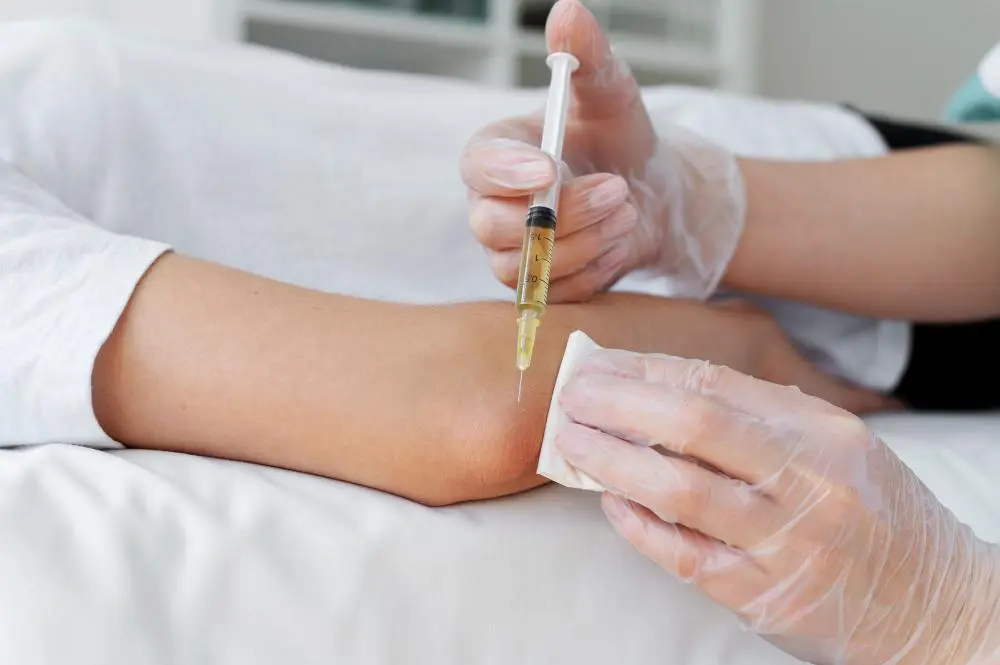
Platelet-rich plasma, commonly referred to as PRP, has gained significant attention as a regenerative treatment option for individuals experiencing joint degeneration. By utilizing a patient’s own blood components to promote tissue repair and reduce inflammation, PRP offers a minimally invasive alternative to more traditional interventions. As interest in biologic therapies continues to grow, understanding the clinical efficacy and appropriate applications of PRP has become increasingly significant.
Mechanism of Action and Efficacy
The mechanism of PRP involves delivering concentrated blood components to a specific area. Platelets contain growth factors that play a fundamental role in tissue repair, and when a practitioner injects PRP into a joint, these platelets break down. They then release their biological contents, and this localized application aims to support the surrounding tissues by targeting underlying structural concerns.
Be aware that this therapy does not produce immediate structural changes; the body needs time to process the introduced plasma before it can initiate biological responses, so most practitioners advise patience. Patients should wait several weeks before assessing initial outcomes. The gradual nature of this mechanism requires setting realistic expectations for the timeline of results, which helps make sure you understand the process.
Clinical Evidence on PRP Effectiveness
Clinical studies are actively investigating PRP’s effectiveness in supporting joint function. Researchers measure outcomes by evaluating mobility and physical comfort. Some patients reported experiencing changes in their daily joint mechanics after treatment. While the current body of evidence is a helpful foundation, ongoing trials will further refine the understanding of this therapy.
Different joints exhibit varying responses to platelet-rich plasma therapy, and knee applications are often prominent in the scientific literature. Evidence indicates measurable differences in how joints respond, so you should review the findings related to your concern. Comparing PRP to other interventions is a key part of medical research and determining effectiveness.
Short-Term vs. Long-Term Outcomes
After a PRP session, you will monitor your progress in two phases. The short-term phase is the first few weeks. It is normal to have temporary responses at the injection site, but these pave the way for tissue repair. You should track your daily mobility during this time. Long-term outcomes typically appear after three to six months, a period that allows growth factors to take full effect. Many people report sustained changes in their activity levels, so monitoring these shifts is key to evaluating the treatment’s success.
Your timeline may differ from the average, and multiple treatments are often needed for long-term results. Your practitioner will track your progress, making sure the plan aligns with your body’s response. By establishing clear evaluation points, you and your provider can measure success together.
Factors Impacting Treatment Success
Several factors influence your body’s response to regenerative therapy. Your physical condition, age, and joint health all shape your recovery. By addressing your general health, you can optimize your outcomes, and your provider will discuss these factors with you. The PRP preparation itself also alters potential results, as different clinics use distinct methods to isolate platelets. The final concentration of growth factors varies with the equipment used, so you should ensure your facility uses modern, reliable methods.
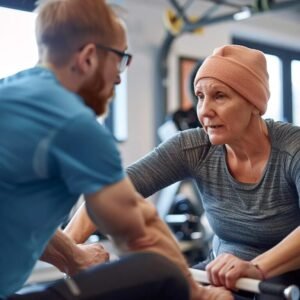
Your post-treatment care also dictates a large part of the final outcome. Practitioners recommend specific movement protocols after the injection. Following these guidelines protects the joint while the biological components integrate. Proper adherence to rehabilitation instructions supports the therapy and prevents unnecessary strain on the treated area.
Schedule Your PRP Treatment Consultation Now
Platelet-rich plasma therapy offers a targeted approach for individuals managing joint degeneration. By utilizing your body’s own biological components, this treatment aims to support localized tissue function. The timeline requires patience, and results vary based on individual health factors. Schedule a consultation with a local specialist to review your imaging, discuss your specific joint history, and explore your treatment options today. Reach out to an expert today to maximize the benefits of regenerative therapy.