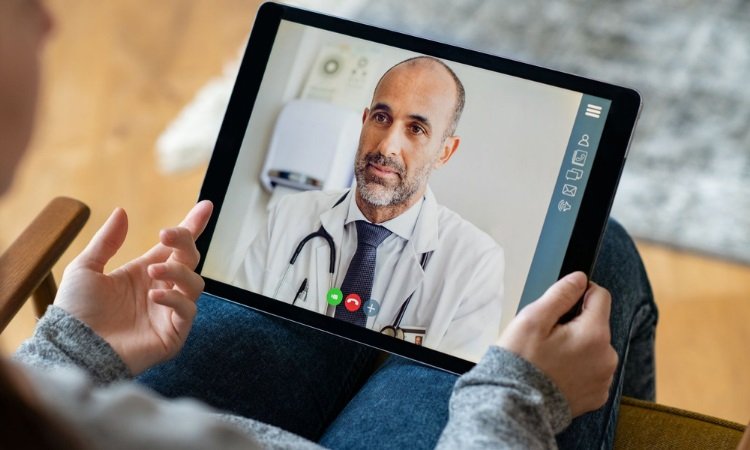
Telehealth provides medical services remotely. Patients consult with healthcare providers through digital platforms, and they receive personalized treatment plans. This approach eliminates the need for in-person clinic visits, which is beneficial for individuals with busy schedules. Here is more information on telehealth weight loss programs and the available services:
What Is a Telehealth Weight Loss Program?
A telehealth weight loss program is a medical service delivered via the internet. Providers use video conferencing to meet with patients, and they design customized protocols based on individual health profiles. The programs operate online without physical clinics, providing a secure environment for discussing medical history.
The remote model functions similarly to traditional medical care. Licensed clinicians prescribe treatments based on clinical guidelines, enabling adjustments to these plans according to the patient’s biological response. The virtual format adheres to national healthcare regulations, and providers may document all interactions in a standardized electronic health record.
What Do Telehealth Appointments Involve?
Virtual appointments require a compatible device with a stable internet connection. The patient logs into a secure medical portal at the scheduled time, and the healthcare provider initiates the consultation. The doctor reviews the patient’s medical history during this initial meeting, establishing a clinical baseline for the program.
Follow-up visits primarily focus on evaluating progress and making necessary treatment adjustments. The clinician may ask specific questions about side effects and the patient’s daily habits. These check-ins vary by protocol, but regular assessments keep the medical strategy aligned with the patient’s changing health status.
What Are Weight Loss Services?
Weight loss services encompass a variety of targeted clinical interventions, and the process begins with a comprehensive medical screening. This evaluation determines the safest course of action for the patient. Doctors may check for underlying metabolic conditions during this diagnostic phase, which helps prevent complications with future medical prescriptions.
Nutrition management is another core component of these medical services. Specialists may create structured meal plans based on specific caloric needs, and patients follow these guidelines to achieve a negative energy balance. The provider may track nutritional adherence through the digital platform, which supports long-term metabolic health.
Providers may also prescribe GLP-1 medication for eligible individuals. These medications regulate appetite through hormonal pathways, promoting satiety after smaller meals. A clinician monitors the patient’s progress, and this supervision makes sure the treatment remains safe and effective.
What Are the Benefits?
Telehealth models offer convenience for patients seeking dedicated medical care. Individuals save time by avoiding clinic waiting rooms, and they schedule appointments that fit around their daily commitments. This flexibility may increase overall adherence to the prescribed health regimen. Ongoing communication between the patient and healthcare professional promotes a secure environment for medical weight management.
Start a Program Today
Telehealth programs provide structured medical care in a convenient digital format. Patients receive clinical evaluations and prescription medications from their own homes. The virtual model maintains strict medical standards while offering high scheduling flexibility, and understanding the available services helps individuals make informed healthcare decisions. Schedule an appointment with a weight loss specialist today.