Microneedling is a dermatological procedure used to alter the appearance of the skin. Medical professionals use this technique in clinical settings, and it addresses various cosmetic concerns. Here is more information on this treatment, how it works, what it treats, what the process involves, and the benefits:
What Is Microneedling?
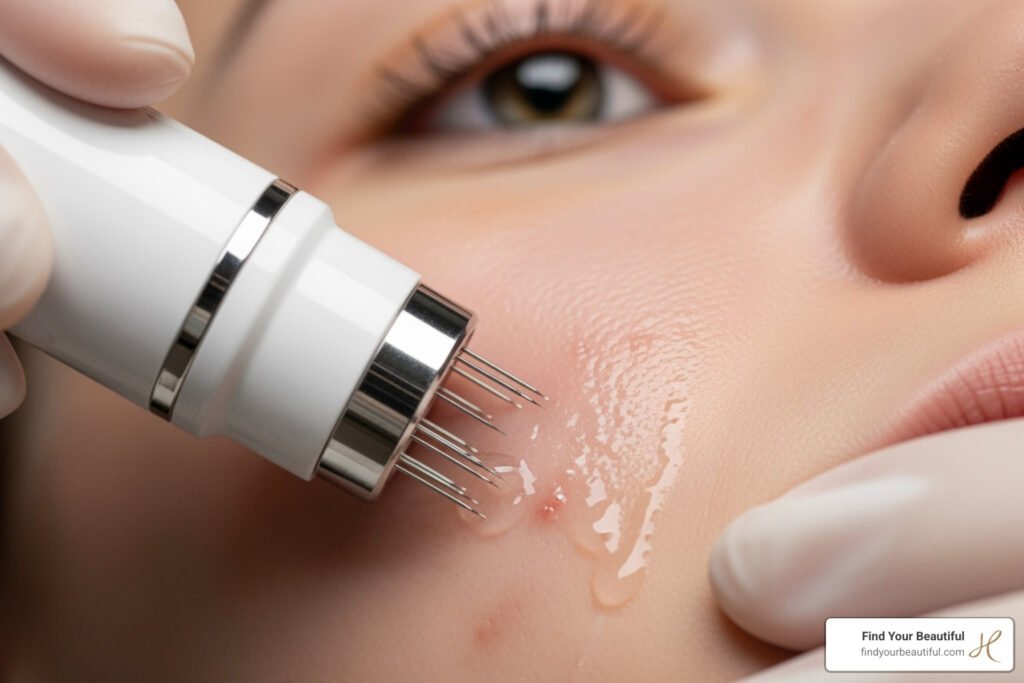
Microneedling is a minimally invasive treatment that uses small needles to puncture the skin’s surface. These micro-injuries stimulate the body’s natural healing process, and this reaction leads to tissue remodeling. Practitioners use a specialized device to create these precise punctures across the targeted treatment area.
The devices used in this therapy may vary in needle length and configuration. Medical professionals select specific needle sizes based on the target skin depth, enabling precise treatment protocols. The standard tools may include dermal rollers and automated pen-like instruments, and their use requires proper training and sterilization protocols.
How Does It Work?
The process relies on the physiological response to controlled physical trauma. Fine needles penetrate the skin, and they reach the underlying dermis. This action triggers the release of growth factors, and the body begins to produce new collagen and elastin fibers. The newly formed structural proteins build up the dermal layer, creating a firmer texture over time.
What Does It Treat?
Dermatologists recommend microneedling for a variety of localized skin irregularities. It targets acne scars, and it can reduce the visibility of stretch marks on various body parts. The treatment also addresses hyperpigmentation by breaking up melanin deposits beneath the skin. Patients with enlarged pores or uneven skin texture may undergo this procedure for corrective purposes.
As natural aging depletes collagen stores, the skin loses its elasticity, and fine lines begin to appear. The mechanical stimulation reverses some of this depletion, restoring a degree of firmness to the affected areas. The micro-injuries can stimulate dormant hair follicles.
What Does the Process Involve?
Treatment begins with a thorough consultation to assess the patient’s skin condition. A practitioner prepares the skin, then moves the microneedling device evenly across the target area. After completing the passes with the device, the practitioner cleans the area. The skin requires a brief recovery period, and most individuals resume standard activities within a few days.
What Are the Benefits?
This procedure offers a non-surgical approach to skin rejuvenation. It suits a wide range of skin types, and the recovery time is relatively brief, allowing patients to manage their schedules easily. The creation of micro-channels also increases the absorption of topical skincare products, thereby maximizing the effectiveness of subsequent clinical serums.
The mechanical nature of this therapy avoids the application of thermal energy. Patients do not require extensive preoperative preparation, and the post-treatment protocols are relatively straightforward. The localized nature of the micro-injuries protects surrounding healthy tissue, which may promote faster overall recovery rates.
Visit a Medical Spa Today
Microneedling provides a structured method for addressing specific dermal concerns. The controlled application of micro-injuries promotes collagen production, which in turn alters the skin’s physical structure. Patients can evaluate their suitability for this procedure by scheduling a clinical assessment. Contact a local medical spa to book a consultation and discuss your specific treatment goals with a licensed professional.