Psoriasis is a chronic skin condition, and when the immune system becomes overactive, skin cells build up faster than normal. This buildup forms thick, scaly patches, and these patches often appear on the elbows, knees, scalp, and lower back. There are several newer treatments, so you now have more options than in the past. Here are some innovative psoriasis treatments:
Topical Medicines
You can start with topical medicines because psoriasis typically affects limited areas of skin. In many cases, corticosteroid creams and vitamin D analogs are the first choices. These options typically work well for many patients, but long-term steroid use may thin the skin. Two nonsteroidal creams provide standard options:
- Once-daily nonsteroidal creams that target specific receptors to calm immune activity
- Nonsteroidal formulas that block an enzyme linked to skin inflammation
Dermatologists might prescribe these newer nonsteroidal creams for plaque psoriasis. You may apply them to sensitive areas like the face because they contain no steroids. Minor side effects may include folliculitis, headache, and diarrhea. Always consult your dermatologist to determine which option is best suited to your specific needs and skin type.
Oral Medications
Oral medications treat psoriasis throughout the whole body. Older options include immune-suppressing drugs, retinoids, and similar systemic treatments. Doctors still prescribe these today, and they require regular blood tests.
A newer class of oral treatments works differently from older pills by blocking an enzyme inside immune cells. By calming this enzyme, it aims to reduce the signals that drive plaque growth. Some people experience nausea or diarrhea during the first few weeks.
Another once-daily oral treatment targets another enzyme, and it plays a role in driving immune-related inflammation. You may take this tablet with or without food, which makes it straightforward to fit into a daily routine. Your dermatologist will review your full health history before recommending an oral option.
Injected Treatments
Biologics are lab-made proteins grown from living cells. They block specific immune signals that fuel psoriasis inflammation. Biosimilar versions of some older biologics now offer alternatives. Biologics may raise your infection risk, so your doctor typically screens you for tuberculosis first. Some people learn to give these injections at home after one or two clinic visits.
Advanced Light Therapy
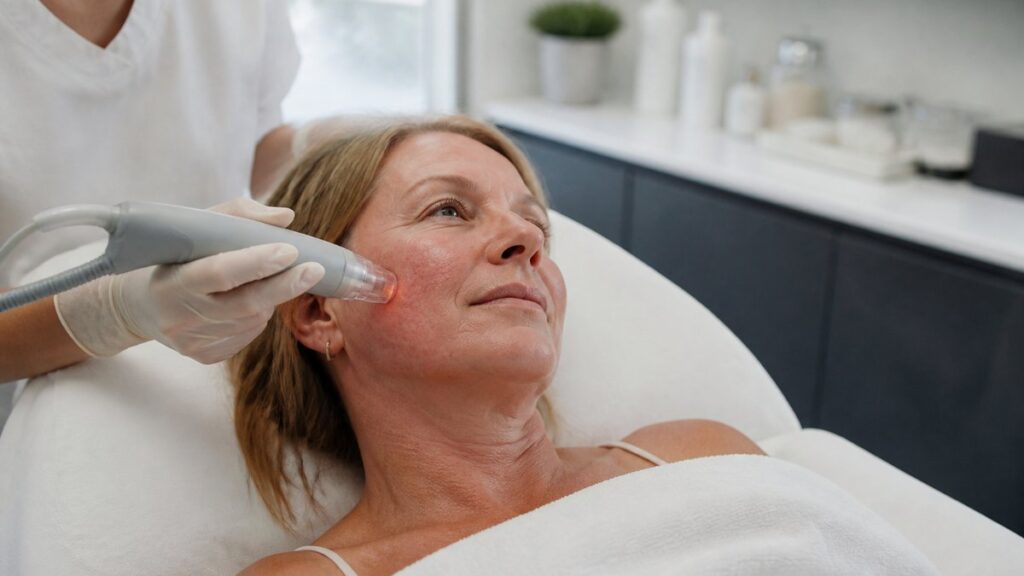
Phototherapy uses ultraviolet light to slow skin cell growth, and dermatologists have refined it over several decades. Narrowband UVB is a standard type today. If you have a few stubborn plaques, an excimer laser treats those spots directly. Your provider will set exposure times based on your skin type, which may lower the risk of burns. You may encounter three main options:
- Narrowband UVB: Full-body treatment in a clinic booth
- Excimer laser: A focused beam for small, targeted areas
- Home phototherapy units: Prescribed devices for treatment in your own home
Get Treatment for Psoriasis
If your current treatment no longer controls your symptoms, talk with a board-certified dermatologist. Bring a list of your current medicines, and note which areas of skin flare most often. Treatment choices depend on severity, location, and your other health conditions. Your dermatologist will explain the risks of each option before you decide.