Some people may overlook regular maintenance for their feet until a problem arises. Maintaining the health of the feet requires ongoing attention, combining daily habits at home with professional guidance. A podiatrist provides specialized knowledge to help maintain mobility and treat emerging structural or infectious issues before they cause long-term complications.
What Is Foot Care?
Foot care encompasses the practices and treatments used to maintain the health and function of the feet and ankles. On a basic level, it can involve personal hygiene habits performed at home. These habits may include washing the feet daily and trimming toenails straight across to avoid ingrown nails. Wearing clean socks and properly fitting shoes can also fall under this category.
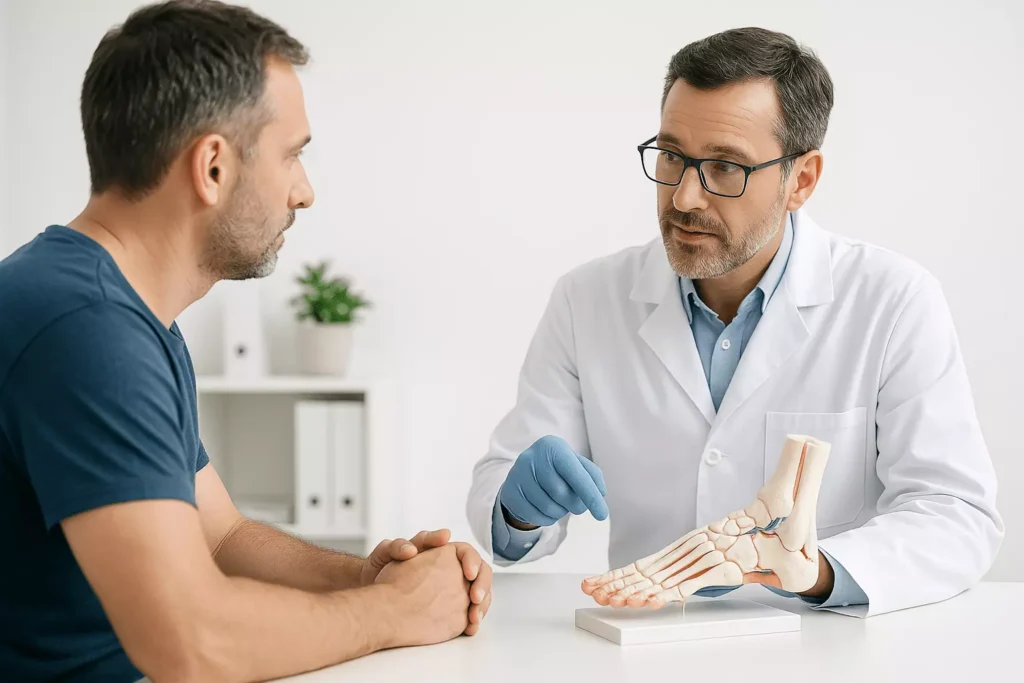
Beyond personal hygiene, the practice includes professional evaluations and interventions. A podiatrist assesses the structural alignment of the foot, monitors the condition of the skin and nails, and checks for signs of systemic diseases. Conditions like diabetes directly impact the lower extremities, which makes specialized supervision necessary to prevent severe complications such as ulcers. Regular attention allows medical professionals to identify early warning signs of changes. This provides an opportunity for prompt intervention.
What Services Fall Under It?
Podiatry clinics offer a wide range of services that are designed to address various concerns involving the lower extremities. Diagnostic evaluations serve as the foundation of these services. During an assessment, a podiatrist can review medical history and examine the physical structure of the foot.
Treatment services encompass conservative and advanced methods. Conservative approaches can involve activity modification and the prescription of custom orthotics. Orthotic devices provide tailored support to correct structural imbalances and relieve pressure. Infection management is another primary service. Podiatrists treat fungal infections in the nails and skin. For the removal of plantar warts, clinics may use specialized therapies to eliminate the virus safely.
Specialized categories of care include pediatric and diabetic services. Pediatric treatments focus on the healthy development of a child’s growing feet, addressing abnormalities before the growth plates close. Diabetic care involves routine inspections and preventative measures to protect against nerve damage. When conservative treatments do not resolve an issue, podiatrists can perform corrective foot and ankle surgeries.
What Conditions Benefit From It?
Routine attention and professional treatments provide relief for numerous foot and ankle ailments. Structural conditions frequently require ongoing management. Flat feet, bunions, and hammertoes alter the mechanics of the foot, causing pain during walking. Professional intervention helps correct these mechanics and alleviate discomfort. Heel pain responds well to targeted therapies and custom support. Skin and nail conditions also see significant improvement with consistent care. Athlete’s foot, toenail fungus, and persistent plantar warts require targeted medical treatments to eradicate the underlying fungi or viruses. Without treatment, these conditions spread and cause chronic discomfort.
Systemic diseases necessitate strict adherence to preventative foot maintenance. Diabetes can lead to neuropathy, meaning a patient may lose sensation in their toes or feet. This lack of sensation makes it easy for cuts to go unnoticed, so regular monitoring by a specialist helps prevent minor injuries from turning into deep tissue infections. Developmental issues like clubfoot require early intervention for young children. Because children have open growth plates, their feet are highly responsive to corrective therapies. Addressing abnormalities early prevents long-term mobility challenges.
Confer With a Podiatrist
Regular evaluation by a specialist promotes lasting foot health, benefiting one’s overall physical mobility. Preventative measures and early intervention reduce the likelihood of developing complex structural deformities or chronic infections. Addressing minor pain or skin changes promptly leads to better long-term outcomes and prevents disruptions to daily activities.