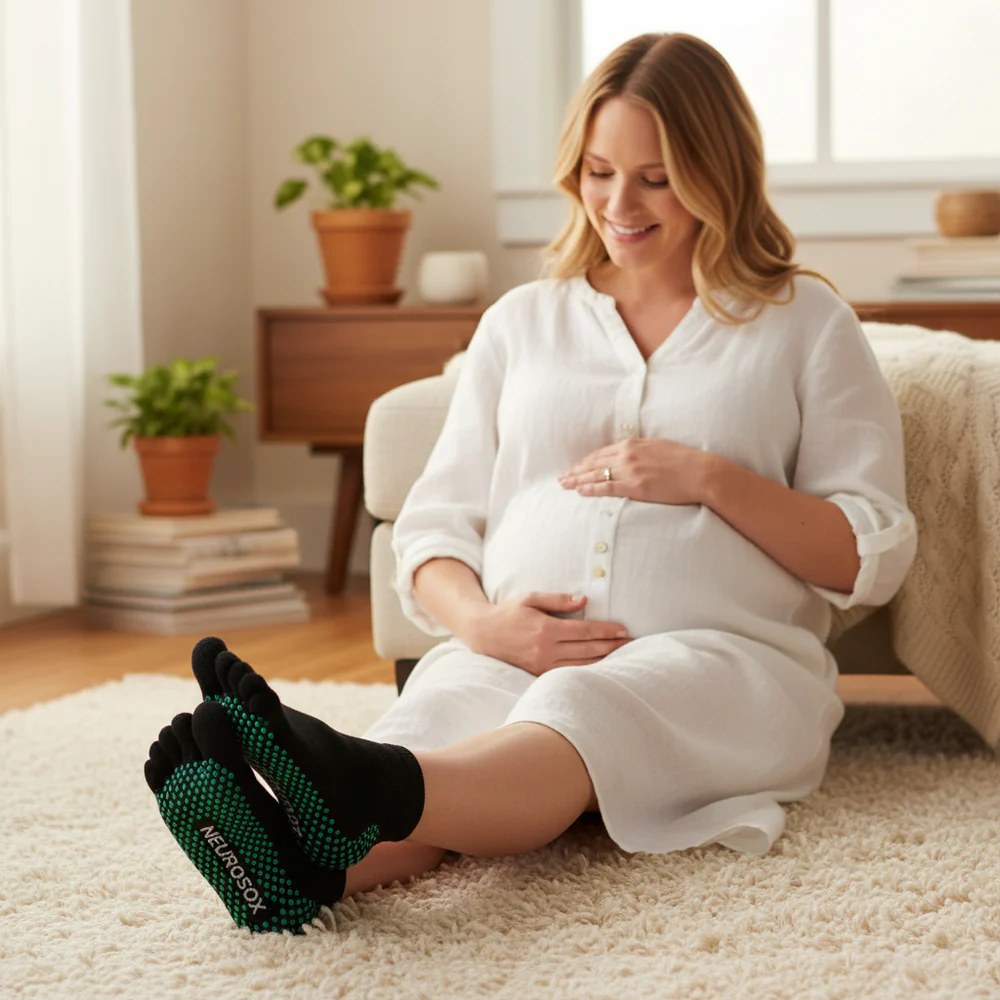
Pregnancy brings a multitude of physical changes to the body, and the feet are no exception. Many expectant mothers may notice structural shifts in their lower extremities, specifically the development or worsening of flat feet. This condition can lead to discomfort in the arches, heels, and ankles.
What Is Flat Feet?
The condition known as flat feet occurs when the arches on the inside of the feet collapse, which allows the entire sole to make contact with the floor when standing. In a typical foot anatomy, the arch functions as a natural shock absorption system. Flattened arches alter the alignment of the legs, knees, and hips. This can lead to widespread strain across the lower body.
Individuals with collapsed arches frequently experience specific symptoms, which include pain localized in the arch, heel, ankle, or along the outer edge of the foot. Aching and fatigue in the lower leg are also frequent complaints, along with shin splints or inward ankle rolling. These symptoms typically worsen during prolonged periods of standing or walking.
What Causes It?
Flat feet can originate in childhood if the arches never fully form. In adults, the arches may collapse due to age, previous injuries, or specific physical transitions. A unique combination of biological factors converges during pregnancy that affects foot structure and stability. The weight gain experienced during pregnancy places extra pressure on the feet’s ligaments and tendons. The posterior tibial tendon serves as the primary support structure for the foot’s arch. Under the increased physical load, this tendon can become strained or dysfunctional. The combination of hormonal changes and increased downward pressure may result in the flattening of the feet.
How Is the Condition Managed?
Addressing flat feet during pregnancy focuses on alleviating discomfort and providing structural support. Proper footwear makes a significant difference in managing foot pain. Custom orthotic inserts offer targeted support by aligning the foot correctly, reducing the strain placed on the posterior tibial tendon. These custom inserts fit directly into everyday shoes and help distribute body weight more evenly across the entire sole.
Activity Modification and Physical Therapy
Modifying daily activities can prevent the exacerbation of foot pain. Taking frequent breaks to rest and elevate the feet may reduce localized pressure and swelling. Low-impact exercises, such as swimming or stationary cycling, can help maintain physical fitness without placing undue stress on the compromised arches. Physical therapy introduces specific stretches and strengthening exercises designed to support the lower extremities. A trained physical therapist can guide expectant mothers through safe routines that improve muscle function around the ankle and foot.
Pain Relief Methods
Some simple at-home therapies may offer immediate relief. Before using any over-the-counter pain medications, pregnant individuals should consult their primary care physician and verify safety for both the mother and the baby. In cases of severe flat feet continuing post-pregnancy, medical professionals might evaluate the need for advanced treatments, such as specialized bracing or prescription medications.
Consult a Foot Specialist
Seeking guidance from a podiatrist provides clarity and customized care for foot-related issues. A foot specialist can conduct a thorough examination of your arches and recommend the most effective supportive measures tailored to your specific needs. Taking proactive steps to manage foot health minimizes discomfort, supporting overall physical well-being. Proper foot care allows you to focus on achieving a healthier and more comfortable pregnancy.