Medical science continually researches sophisticated methods to manage chronic pain and promote tissue recovery. One targeted approach gaining steady attention in sports medicine and orthopedics is platelet rich plasma therapy. By understanding the underlying mechanisms of this specific therapy, individuals can have informed discussions with their designated healthcare providers.
What Is Platelet Rich Plasma Therapy?
Human blood consists of a liquid base called plasma, alongside red blood cells, white blood cells, and platelets. Platelets are widely recognized for their role in clotting blood, stopping bleeding after a physical injury. They also contain highly specialized proteins known as growth factors, which participate in tissue repair and new cell reproduction.
Platelet rich plasma, often abbreviated as PRP, is a highly concentrated solution that is created from a patient’s own biological material. Medical professionals isolate the platelets to create a substance possessing a significantly higher concentration of these proteins than standard blood. When delivered directly to an injured joint or a damaged tendon, this concentrated plasma introduces a high volume of reparative cells directly to the compromised tissue. The goal is to stimulate the body’s natural healing mechanisms in a targeted area.
What Can It Address?
Physicians utilize platelet rich plasma therapy to target a diverse array of musculoskeletal issues and address localized joint complaints. It may be applied to chronic physical injuries that have not responded well to standard conservative treatments. Individuals experiencing recurring tendon issues, such as jumper’s knee, might receive this treatment to support their physical recovery.
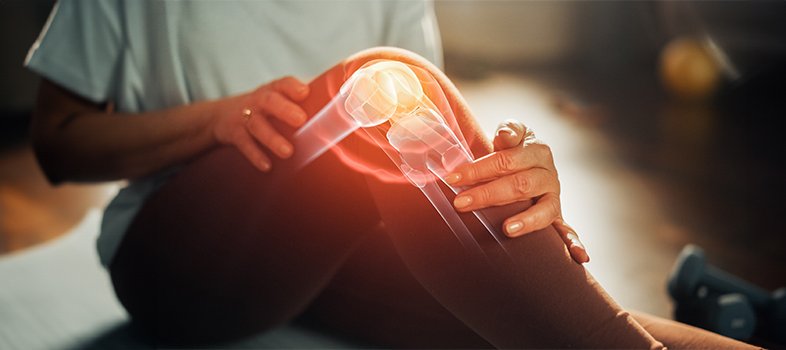
Beyond isolated tendon injuries, the therapy may be used to manage generalized joint pain associated with conditions like osteoarthritis. By delivering concentrated platelets to an arthritic joint, the treatment seeks to mitigate pain and improve physical function over time. Some orthopedic practitioners also apply the injections immediately following surgery to support the body’s natural healing timeline and promote faster recovery of the repaired tissues. Because the material comes directly from the patient, the risk of allergic reactions or rejection remains remarkably low compared to synthetic alternatives.
What Does the Process Involve?
Receiving PRP injections is typically an outpatient procedure. The medical provider begins by drawing blood from the patient’s arm, similar to a routine laboratory test. Clinical staff then place the collected blood sample into a specialized medical machine called a centrifuge, which separates the blood into its distinct cellular components. The final step involves returning the enriched plasma directly to the patient’s body. The provider carefully injects the solution straight into the targeted joint or the injured surrounding tissue. Following the injection, patients might notice mild, localized soreness or slight swelling at the site. This reaction is a standard response to the procedure and generally resolves within a few days.
Seek Professional Pain Management Services
Addressing chronic joint issues requires a comprehensive medical approach tailored to your specific physical needs and baseline activity levels. While specialized injections offer one distinct method for managing localized discomfort, they may work best when integrated with other supportive strategies. Evaluating all available medical options with a qualified physician will help you make the best decision for your situation. A dedicated pain management specialist can perform a thorough physical examination and map out a targeted plan to restore your daily mobility.