A rotator cuff tear limits shoulder movement and affects daily arm function. The condition, known as a rotator cuff tear, causes localized pain and reduced strength during lifting motions. Medical evaluation typically includes physical examination and imaging to determine the extent of tissue damage, and treatment planning follows those findings. Rehabilitation options vary based on severity, and patients may begin with nonsurgical care or proceed to surgical repair. Recovery focuses on restoring mobility through structured treatment approaches.
Rotator Cuff Tear Rehabilitation
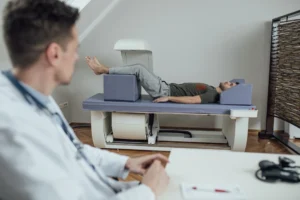
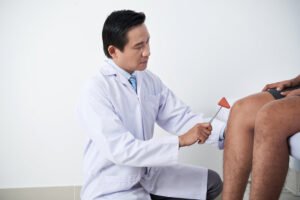
A rotator cuff tear affects tendon stability in the shoulder joint. Doctors use physical tests and imaging to assess damage. When symptoms limit function, treatment planning connects diagnosis with recovery strategy, and clinicians determine whether conservative care or surgery is appropriate based on findings.
Medical professionals evaluate shoulder injuries before selecting treatment options, and they review imaging results to confirm tissue damage. Diagnosis guides recovery planning, and patients move into targeted care once the injury pattern is identified. If symptoms persist or mobility is reduced, treatment decisions adjust accordingly, and care pathways shift based on severity while clinical findings remain the primary guide for rehabilitation planning.
Nonsurgical Treatment
Nonsurgical care begins with rest and activity modification. Patients reduce overhead movement, and they apply cold therapy to the affected shoulder to manage swelling. Ice restricts local blood flow, and this response reduces inflammation in the joint area because circulation slows in the affected tissue.
Doctors may recommend nonsteroidal anti-inflammatory drugs to manage discomfort. These medications support daily movement. Because tendon recovery requires reduced strain, individuals avoid heavy lifting and repetitive shoulder use while healing progresses. Some patients receive corticosteroid injections for pain relief. Physicians may also use local anesthetics, and these injections can temporarily improve shoulder function even though repeated steroid use may weaken tendon tissue over time.
Physical therapy
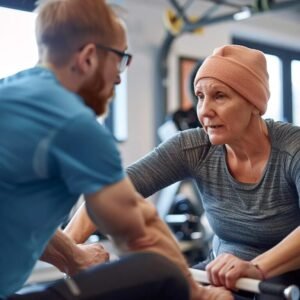
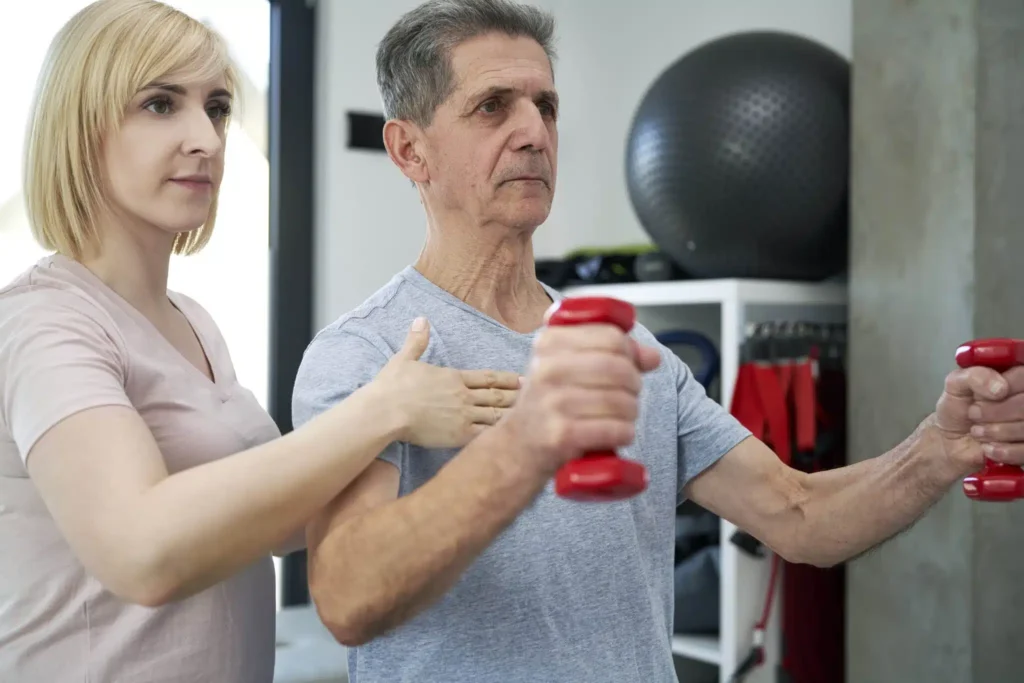
Physical therapy restores shoulder movement through guided exercise. Therapists design structured programs, and patients complete mobility and strengthening routines over time. When pain decreases, individuals begin controlled stretching to improve joint range, which supports gradual functional recovery. Flexibility exercises improve shoulder motion. Strength training targets surrounding muscle groups, and this support improves joint stability during movement. Because the rotator cuff controls rotation, resistance-based exercises help restore coordinated function.
Progress develops gradually over several weeks. Patients track improvements. When recovery advances, therapists adjust exercise difficulty while home routines reinforce clinical sessions during rehabilitation.
Surgical Repair
Severe rotator cuff tears may require surgical intervention. Surgeons reattach torn tendon tissue to bone, and they select procedures based on tear size and tissue condition. When nonoperative care does not restore function, surgical planning becomes the next step.
Arthroscopic repair uses small incisions and a camera for guidance. Surgeons use specialized instruments to repair tissue damage, and they complete reconstruction through targeted visualization techniques. Open surgery may be used for larger tears, and it provides direct access for complex repair when minimally invasive methods are insufficient. Recovery continues after surgery with structured rehabilitation. Patients typically begin with passive motion, and they advance gradually as tolerance improves. Because recovery timelines vary, movement restrictions guide early healing phases while progression depends on tissue response.
Find a Clinic
Rehabilitation supports gradual restoration of shoulder function. Patients follow structured recovery plans, and they regain strength and mobility over time. When shoulder pain occurs, clinical evaluation identifies the injury pattern, and treatment decisions follow diagnostic results. Physical recovery requires consistent participation in therapy. Patients combine rest with guided exercise. When healing advances, individuals adjust activity levels based on response while maintaining rehabilitation routines. Full recovery may take several months. Individuals rebuild strength through progressive training, and they return to daily activities as function improves. Find a clinic to learn more.