A spine fracture can range in severity, but in any form, it requires prompt medical attention. Symptoms may vary depending on the location of the injury and the extent of the damage. Some patients experience sudden pain, while others observe changes in movement, posture, or nerve function. Here are some common symptoms of a spine fracture:
Concerning Pain Signals
Pain is often the primary physical indicator of a spine fracture. Patients generally experience sharp discomfort in the middle or lower back, and this sensation worsens with physical movement and activity. Patients must monitor these specific pain signals carefully, as they guide medical professionals toward an accurate diagnosis.
The intensity of the pain varies depending on the location of the fractured spine. Some individuals feel a sudden onset of severe back pain, while others observe a gradual increase in chronic discomfort. Your physician will thoroughly evaluate these pain patterns to determine the exact nature of the injury.
Reduced Daily Function
A spine fracture directly impacts your ability to perform routine physical activities. Patients experience noticeable back stiffness, which restricts their normal range of motion. Here are some common changes in daily function patients may observe:
- Decreased mobility: Walking or standing becomes difficult, and the patient requires frequent rest periods.
- Bending difficulties: The back feels physically rigid, so bending forward triggers sharp pain.
- Lifting limitations: Picking up objects puts pressure on the spine, causing severe physical discomfort.
These physical limitations require immediate medical attention to prevent further complications. Proper medical intervention provides significant improvement in mobility right away, and patients can gradually regain their physical independence.
Serious Nerve Symptoms
A fractured spine can sometimes put pressure on the surrounding spinal nerves. Patients experience numbness or tingling in their extremities, which requires immediate medical evaluation. Individuals should report these specific nerve-related signs to their physicians, as they indicate potential neurological complications.
Nerve compression often leads to physical muscle weakness in the legs or arms. This makes walking difficult, and patients may occasionally lose their physical balance. Your medical provider will thoroughly assess your neurological function to identify any specific nerve damage. In severe cases, nerve compression can affect normal bowel or bladder control. This specific symptom constitutes a medical emergency, and patients need immediate clinical intervention.
Visible Spinal Changes
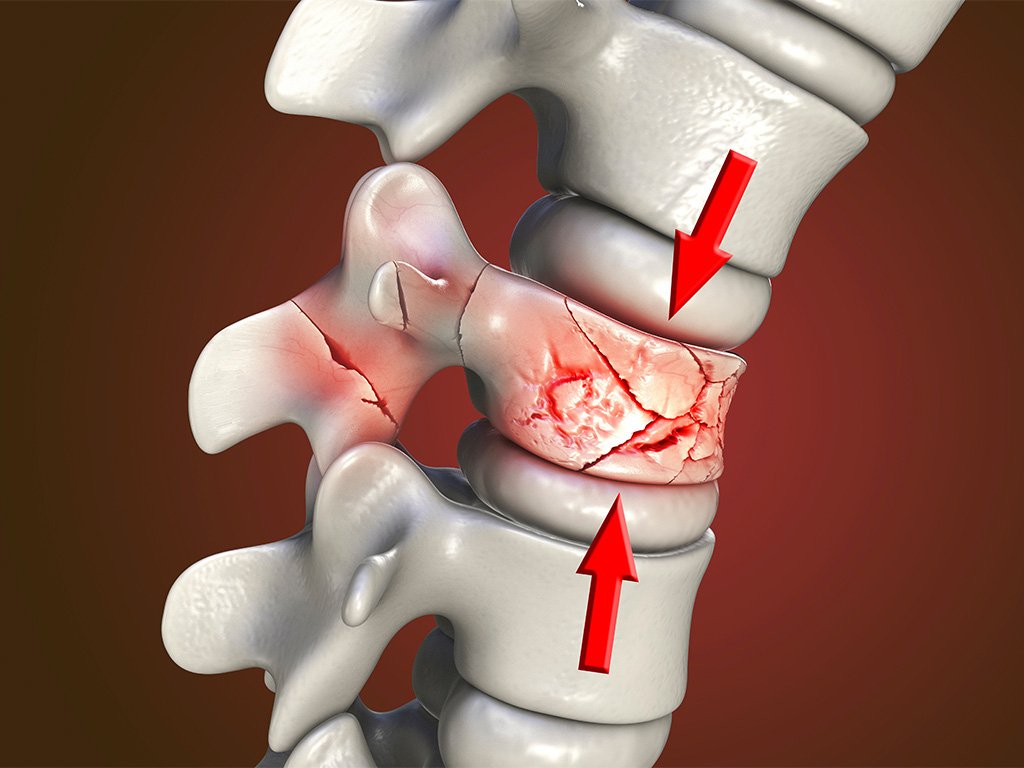
A spine fracture frequently alters the physical shape of the back. The collapsed vertebral bone disrupts normal spinal alignment, resulting in visible physical deformities. Patients can experience the following structural modifications when multiple fractures occur:
- Height loss: The collapsed bones reduce the spine’s overall length, causing patients to physically become shorter.
- Spinal curvature: The back develops a noticeable forward hunch, a condition medical professionals call kyphosis.
- Posture changes: The patient struggles to stand upright and constantly leans forward.
These structural changes confirm the clinical presence of a severe spine fracture. Timely medical treatment stabilizes the broken bone, and specific procedures restore the vertebral body’s physical shape.
Schedule Your Spine Fracture Consultation
A spine fracture creates significant clinical pain and physically restricts your daily movements. It can result in significant structural changes, such as visible curvature of the back and an inability to maintain an upright posture. Early diagnosis and prompt medical intervention are key to stabilizing the fracture and restoring the spine’s structure. Contact a qualified healthcare provider near you to schedule your vertebral compression fracture consultation today.