
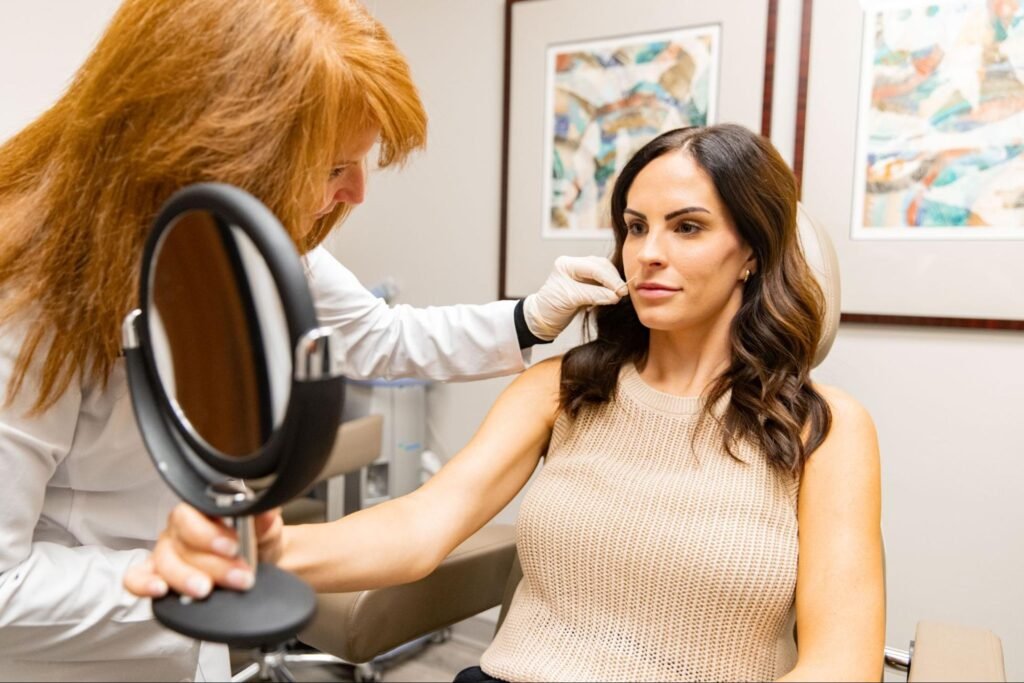
A plastic surgeon is a medical professional who specializes in reconstructing, restoring, or altering the human body. When an individual elects for a cosmetic procedure, the surgeon acts as a guide through the planning and evaluation process. They evaluate patient goals, provide anatomical context, and outline the available surgical options. A plastic surgeon is a specialized medical expert, and they play a central role in helping patients navigate complex cosmetic surgery decisions. By providing objective, straightforward information, they help individuals make choices that align with their personal circumstances and physical capabilities.
Initial Assessment and Education
The first step in any cosmetic surgery consultation involves a thorough physical assessment. During this phase, the plastic surgeon evaluates your current anatomy to determine which procedures are structurally possible. Education is a primary component of this initial process. Surgeons explain the differences between various surgical techniques, and they detail how each approach interacts with your specific body type.
Key aspects of assessment and education include:
- Reviewing your general health history to identify potential logistical challenges.
- Explaining the mechanical steps involved in specific surgical procedures.
- Outlining the timeline required for standard post-operative recovery.
- Discussing alternative, less invasive options when appropriate.
By delivering clear, concise information, surgeons help you understand the logistical requirements of your chosen procedure before you make any commitments.
Realistic Expectation Guidance
Aligning a patient’s desires with surgical reality is a key responsibility. Surgeons review potential outcomes with their patients, explaining the physical limitations of each procedure. Surgery alters physical appearance, but it does not dictate how a person will feel emotionally or how others will perceive them.
A responsible surgeon uses previous case studies, anatomical diagrams, or digital imaging to demonstrate achievable results; they discuss factors that influence the final outcome, such as skin elasticity, underlying bone structure, and natural scarring tendencies. This straightforward process helps prevent future dissatisfaction by establishing a clear baseline for what the surgery can realistically accomplish. You receive the precise information needed to understand the likely physical outcome.
Ethical Guidance and Safety
Patient safety remains the highest priority in any surgical environment. Plastic surgeons operate under strict ethical guidelines that require them to prioritize your physical well-being over simply performing a procedure, and this includes evaluating factors that might interfere with a standard surgical experience. If a patient requests a procedure that poses unnecessary physical risks, the surgeon has an ethical obligation to advise against or decline the operation. Surgeons also provide comprehensive information about the inherent risks of surgery. They discuss anesthesia protocols, standard infection-prevention measures, and strict post-operative care requirements. This transparency allows you to be fully aware of the safety parameters and physical demands before moving forward.
Shared Decision-Making
Modern cosmetic surgery relies heavily on a collaborative framework between the provider and the individual. The patient shares their personal goals, and the surgeon provides the clinical expertise needed to form a practical plan. This shared decision-making model enables you to take an active role in planning your care.
Instead of simply dictating a treatment plan, the surgeon presents the viable options and allows you to weigh the logistical benefits against the risks. You discuss the recovery time required away from work, and you talk through the long-term maintenance of the surgical results. Any questions or concerns you have can be addressed directly during this stage. Through organized, open dialogue, you arrive at a decision that suits your timeline and physical goals.
Ask a Plastic Surgeon Today
Making the choice to undergo cosmetic surgery requires careful thought, preparation, and professional input. An initial consultation provides the opportunity to gather facts without committing to an operation. Prepare a list of questions about your specific areas of interest before your appointment, and ask your surgeon about their background, their approach to patient care, and the specific details of the recovery process. Schedule a consultation with a qualified plastic surgeon to begin this structured evaluation process.