Toenail issues are frequent occurrences that can cause varying degrees of discomfort and disrupt normal physical activities. Among these conditions, an ingrown toenail frequently presents a significant challenge for daily mobility. Foot pain of any kind changes the way an individual walks, stands, and engages with their environment. An untreated issue on a single digit can lead to an altered gait, placing unnatural stress on the ankles, knees, and hips. By recognizing the early indicators of nail-related problems, individuals may take timely action to engage in ingrown toenail care and minimize the risk of secondary complications.
What Is an Ingrown Toenail?
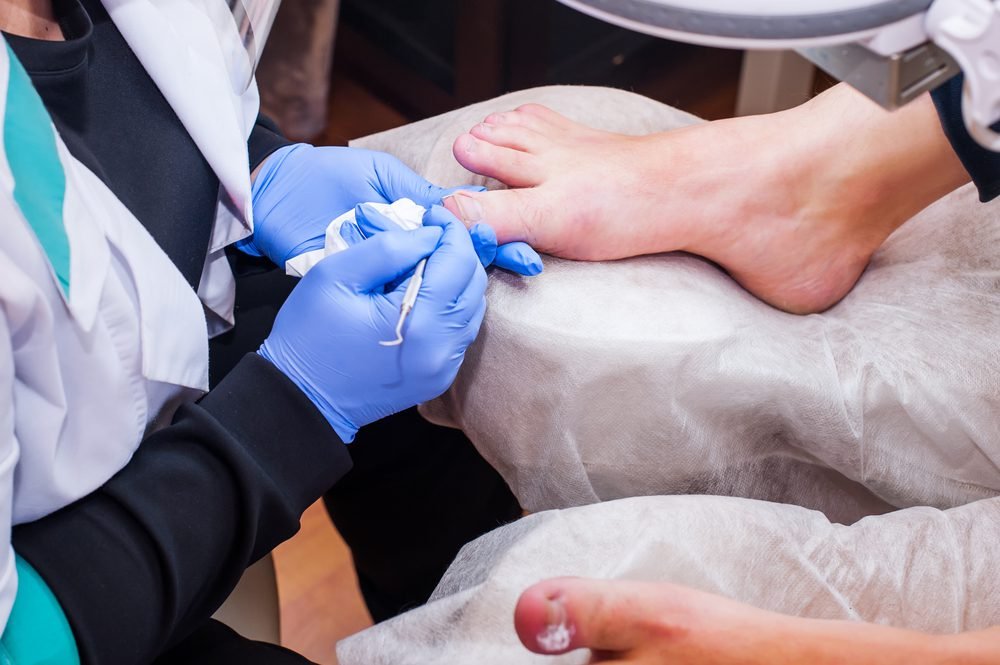
This condition develops when the side or corner of a nail grows directly into the surrounding flesh. While any toe can be affected, the large toe is the most frequent site of this occurrence. As the rigid nail pierces the adjacent soft tissue, the body responds to the physical intrusion, which leads to localized swelling and marked discomfort.
Several physical and environmental factors contribute to this structural change. Frequent sweating may soften the skin around the toes, which makes nail penetration easier. Other contributing elements include wearing narrow footwear that compresses the digits together, which can force the skin against the nail edges. Poor nail trimming techniques, such as cutting the nail too close to the skin or creating sharp curved angles instead of a straight edge, remain leading causes of this misalignment.
What Are the Signs?
Recognizing the symptoms promptly facilitates effective management and early intervention. Individuals typically notice localized tenderness and noticeable redness along the lateral border of the affected nail. Applying pressure to the toe, especially while walking, running, or wearing tight shoes, generally exacerbates the discomfort significantly. Other observable indicators frequently accompany the initial redness as the condition progresses. The surrounding tissue might become visibly swollen or feel unusually firm to the touch.
Monitoring the affected area for potential complications remains a priority for anyone experiencing these symptoms. If the affected skin begins to discharge pus, this typically signifies an active bacterial infection. Accompanying symptoms of infection might include radiating warmth from the toe or a throbbing sensation that persists even while resting. At this stage, professional intervention becomes necessary to address the underlying bacterial presence and prevent the infection from spreading to adjacent tissues.
What Is Ingrown Toenail Care?
Managing this condition promptly often yields the best outcomes and prevents surgical interventions. Initial home ingrown toenail care focuses on softening the affected tissue and relieving physical pressure. Soaking the affected foot in warm water can help reduce localized tenderness and clean the area. Following a warm soak, a person might gently bring the overlapping skin away from the nail edge, though this must be done with extreme care to avoid creating a new wound.
When home interventions do not yield positive results, or if an infection develops, medical treatment offers specific, targeted solutions. A podiatrist possesses the clinical expertise to safely address the structural issue. Clinical treatments can include specialized procedures that separate the problematic nail from the inflamed skin. Practitioners sometimes utilize local anesthetics or advanced cooling sprays to minimize discomfort during the procedure. If an infection is visibly present, a doctor will likely prescribe targeted antibiotic therapy to eliminate the bacteria and promote complete healing.
Confer With a Podiatrist
Addressing an ingrown toenail quickly minimizes the risk of severe complications and protracted pain. While basic care strategies can alleviate minor discomfort during the early stages, persistent or worsening symptoms require dedicated medical expertise. A podiatrist provides comprehensive evaluations and prescribes tailored treatment plans designed to resolve the underlying anatomical issue effectively.