
Pregnancy health involves more than routine checkups and prenatal care, especially when unexpected symptoms or complications arise. While some pregnancies progress without serious concerns, some conditions require prompt medical attention to protect both the parent and the developing baby. Here is a closer look at common issues that can affect pregnancy and when it may be time to seek professional help:
Recognizing Common Complications
Certain medical issues develop more frequently than others during gestation. Patients should learn about these conditions and discuss any early symptoms with their medical provider to protect their pregnancy health. Here are some of them:
- Gestational Diabetes: This condition alters how the maternal body processes blood sugar. Medical providers monitor glucose levels regularly, as untreated elevated blood sugar affects fetal development.
- Preeclampsia: This vascular condition presents with elevated maternal blood pressure and potential organ stress. Routine blood pressure checks help detect this issue early.
- Anemia: Maternal blood requires extra iron to support fetal growth and maternal circulation. Clinicians check red blood cell counts during routine labs, and they often prescribe iron supplements to correct deficiencies.
- Infections: The maternal immune system undergoes changes during gestation, increasing patients’ risk of certain viral or bacterial infections. Prompt treatment prevents the infection from crossing the placenta, which protects the developing fetus from harm.
Awareness of these conditions helps patients engage actively in their healthcare. If symptoms suggest any of these disorders, individuals must contact a clinic for proper diagnostic testing.
Identifying Serious Symptoms
Specific physical changes require immediate clinical attention to protect pregnancy health. Some discomfort is a normal part of gestation, but severe or sudden pain often indicates a clinical emergency. Patients must track their physical changes daily, and they should report severe abnormalities to a physician.
Vaginal bleeding is a primary symptom that requires urgent evaluation. While light spotting sometimes occurs normally, heavy bleeding indicates potential placental issues or other severe complications. Severe abdominal pain can signal an ectopic pregnancy or placental abruption, which are both medical emergencies.
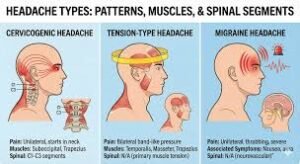
Severe headaches or sudden visual changes are other symptoms that require quick clinical review. These neurological signs often correlate with severe preeclampsia, and this condition can escalate rapidly without medical intervention. If a patient experiences a sudden decrease in fetal movement, they must seek an immediate medical assessment.
Seeking Urgent Care
Differentiating between routine concerns and urgent medical crises is a key part of pregnancy health. Routine questions about diet or minor aches usually wait until a scheduled appointment, but other scenarios demand immediate action. Patients should establish clear communication protocols with their clinical team early in the gestation process.
Patients should call the doctor during normal business hours for mild nausea or general fatigue. Conversely, patients must seek urgent care if they experience a high fever, severe dizziness, or continuous vomiting. Make sure you know the location of your nearest emergency center that features a specialized obstetric unit.
Protecting Pregnancy Health
Consistent clinical monitoring remains the most effective strategy for preventing severe complications. Regular clinical visits allow healthcare providers to track physiological changes and facilitate early detection of hidden issues. Here are ways providers protect pregnancy health:
- Routine Blood Work: Clinical laboratories test maternal blood for glucose levels, iron stores, and potential genetic markers.
- Blood Pressure Tracking: Clinical staff measure maternal blood pressure at every single visit.
- Ultrasound Imaging: Diagnostic ultrasound provides visual confirmation of fetal growth and proper anatomical development.
- Fetal Heart Rate Monitoring: Clinicians listen to the fetal heartbeat to verify cardiovascular health.
Patients who adhere to this schedule often experience fewer unexpected clinical emergencies.
Book Your Pregnancy Health Appointment
Proper clinical oversight is fundamental to good pregnancy health. Regular medical evaluations help identify potential complications early, and the proactive approach minimizes maternal and fetal risks. Contact a qualified women’s health specialist near you to book your pregnancy health appointment today.