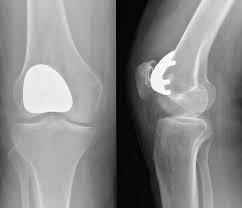
Rehabilitation is the structured recovery process that follows joint replacement surgery, and it’s required whether the procedure involves the hip, knee, shoulder, or another major joint. After a surgeon replaces a damaged joint with an artificial implant, the body needs time and guided effort to adapt. Here’s information about the key phases of rehabilitation, from the first days after surgery through long-term joint maintenance:
Moving Through the Recovery Phases
Rehabilitation progresses through several stages, and each has specific recovery goals. The initial phase typically begins within the first one to two days after surgery. During this stage, a physical therapist or member of the care team guides patients through basic movement exercises that help promote circulation and minimize stiffness.
As recovery advances, the intermediate phase focuses on restoring strength, improving flexibility, and increasing range of motion. This stage may extend over several weeks, and it requires regular participation in prescribed exercises. The final phase emphasizes a gradual return to everyday activities and more physically demanding tasks or recreational pursuits. Each stage builds upon the progress achieved during the previous phase, supporting continued improvement throughout recovery.
Advancing Through Physical Therapy
Physical therapy is a central component of the recovery process after joint replacement surgery. A licensed provider develops a treatment plan based on the affected joint and your overall physical condition; they also evaluate your recovery goals. Therapy sessions may focus on improving strength, flexibility, balance, and movement mechanics, all of which contribute to long-term function and mobility.
Consistent participation in therapy is key for achieving ideal outcomes. Completing prescribed home exercises between appointments can help reinforce progress and maintain recovery momentum. As strength, mobility, and function improve, providers modify the program to address changing needs; this supports continued advancement throughout rehabilitation.
Adjusting Your Home Environment
Before returning home after surgery, a few key adjustments to your living space make daily movement safer and more manageable:
- Remove loose rugs or floor-level obstacles that increase the risk of tripping
- Place frequently used items within easy reach to minimize bending or stretching
- Install grab bars near the toilet, shower, or bathtub if not already in place
- Arrange sleeping and seating areas to reduce deep bending at the joint
- Keep a clear, well-lit path between the rooms you use most
Keeping Follow-Up Appointments
Follow-up appointments allow your care team to monitor progress, check the implant, and address concerns before they develop further. These visits are an active part of the overall rehabilitation strategy. Bring a written list of questions or observations to each appointment, and note any changes in movement, swelling, or how the joint responds during activity. This information helps your provider make well-informed decisions about your care plan.
Planning Your Daily Routine
A structured routine supports a smoother recovery process. Maintaining a consistent daily schedule that includes prescribed exercises, adequate rest, and regular meals may help promote steady progress. Patients should work closely with their care team to determine when it is appropriate to resume activities such as driving and work-related tasks. Gradual progress is the standard approach; advancing activity levels too quickly may increase discomfort or interfere with healing. Following your provider’s recommendations and adhering to established rehabilitation guidelines helps support safe, consistent progress throughout each stage of recovery.
Prepare for Joint Replacement Surgery
Once formal rehabilitation ends, the work does not stop entirely. Staying active through low-impact activities, maintaining a healthy body weight, and attending periodic check-ups can contribute to the long-term function of your joint implant. Your care team also remains a key resource after recovery is complete. Rehabilitation after joint replacement requires time, structure, and consistent effort. Speak with your orthopedic care team today to build a recovery plan suited to your specific needs.