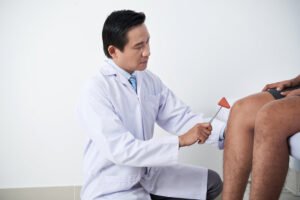
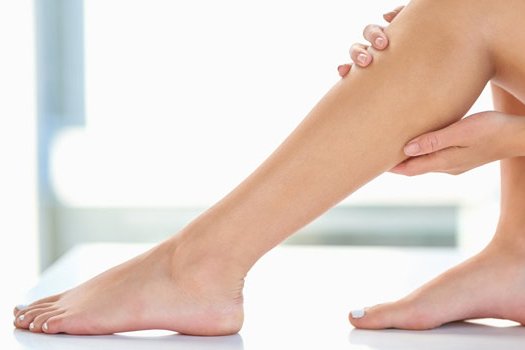
Varicose veins are enlarged, twisted blood vessels that commonly appear just under the surface of the skin. They occur most frequently in the legs and feet due to the increased pressure of standing and walking. While they are often a cosmetic concern, they can also cause aching pain and discomfort. Several approaches exist to manage this condition, and treatment options range from simple lifestyle changes to medical procedures, depending on the severity of the veins and specific needs.
Proven At-Home Remedies
When addressing varicose veins, healthcare providers often recommend starting with conservative, at-home measures. These approaches focus on symptom management, and they aim to prevent the condition from worsening over time.
Lifestyle Adjustments
Adjusting your daily habits is a fundamental step in managing varicose vein symptoms. Simple changes can reduce pressure on your veins and improve blood flow throughout your lower body. Regular exercise improves blood circulation in the legs, but avoid prolonged standing or sitting.
To support vein health at home, try elevating your legs above the level of your heart a few times a day, as this helps blood flow return to your heart more easily. Maintaining a healthy weight is also recommended, as excess weight can place additional pressure on the veins in your legs. If your daily routine involves long periods of sitting or standing, make an effort to change positions frequently; taking brief breaks to walk or shift your weight encourages better blood circulation. Choose comfortable clothing that does not restrict blood flow, avoiding tight garments around your waist, groin, or legs for optimal support.
Compression Therapy
Wearing compression stockings is another standard initial approach to managing varicose veins. These specialized stockings steadily squeeze your legs, and they help the veins and leg muscles move blood more efficiently. The pressure is typically strongest at the ankle and gradually decreases as it moves up the leg. You can find compression stockings at most pharmacies and medical supply stores. They come in various styles, strengths, and colors. A healthcare professional can help you determine the appropriate level of compression for your specific situation.
Minimally Invasive Strategies
If self-care steps and compression stockings do not adequately address your symptoms, your doctor might suggest minimally invasive procedures. These treatments are generally performed in an outpatient setting and require little to no recovery time.
- Sclerotherapy: During this procedure, a specialist injects a solution directly into the varicose veins. The solution irritates the lining of the blood vessel, causing it to collapse and stick together. The blood then reroutes through healthier veins.
- Laser Treatment: This approach uses strong bursts of light directed onto the vein. The light energy causes the vein to slowly fade and disappear. No incisions or needles are involved in this specific surface treatment.
- Catheter-Assisted Procedures: For larger veins, a doctor may insert a thin tube called a catheter into the enlarged vein and heat its tip with radiofrequency or laser energy. As the catheter is pulled out, the heat destroys the vein by causing it to collapse and seal shut.
Surgical Treatments
For severe cases that do not respond to other treatments, surgical interventions may be recommended. These options are generally chosen when varicose veins cause significant pain, recurring blood clots, or skin ulcers. Surgeons typically reserve these procedures for larger veins, or they may recommend them when other methods do not yield results. Vein stripping and ligation involves tying off a vein before it joins a deep vein and removing the vein through small incisions. Ambulatory phlebectomy is another option where the doctor removes smaller varicose veins through a series of tiny skin punctures. Both procedures aim to remove the problematic veins entirely, redirecting blood flow to healthier vessels deep within the leg.
Ask About Varicose Veins Today
Managing varicose veins involves understanding your options and taking proactive steps toward your vascular health. Everyone experiences this condition differently, and effective approaches depend on your specific symptoms and medical history. Reach out to a healthcare provider or a vascular specialist to discuss your situation. They can evaluate your veins, explain the available remedies in detail, and help you determine the most appropriate treatment.