
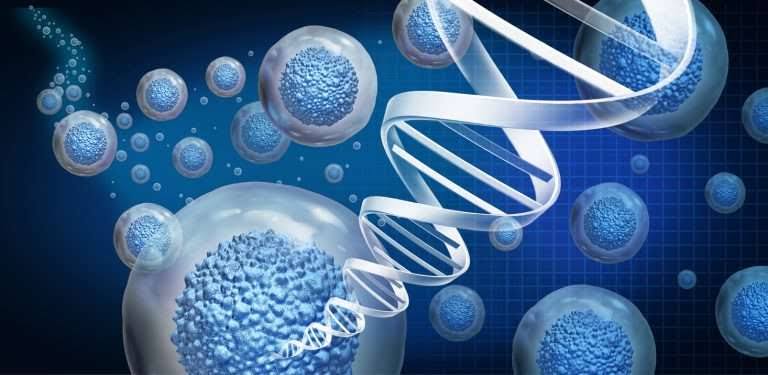
Exploring the Benefits of Stem Cell Therapy for Chronic Pain
Stem cell therapy uses cells from your body, and they’re used to support tissue repair. Many people with chronic pain try medications first, and some later look for other options. Since stem cells have the ability to become different cell types, doctors use them for joint, tendon, and back pain. Here is more information on the process, the science, and the realistic limits: Using Your Own Tissue Autologous stem cell therapy uses your own cells, so your body recognizes the material. When a provider collects cells from your fat or bone marrow, the risk of adverse reactions drops. This approach
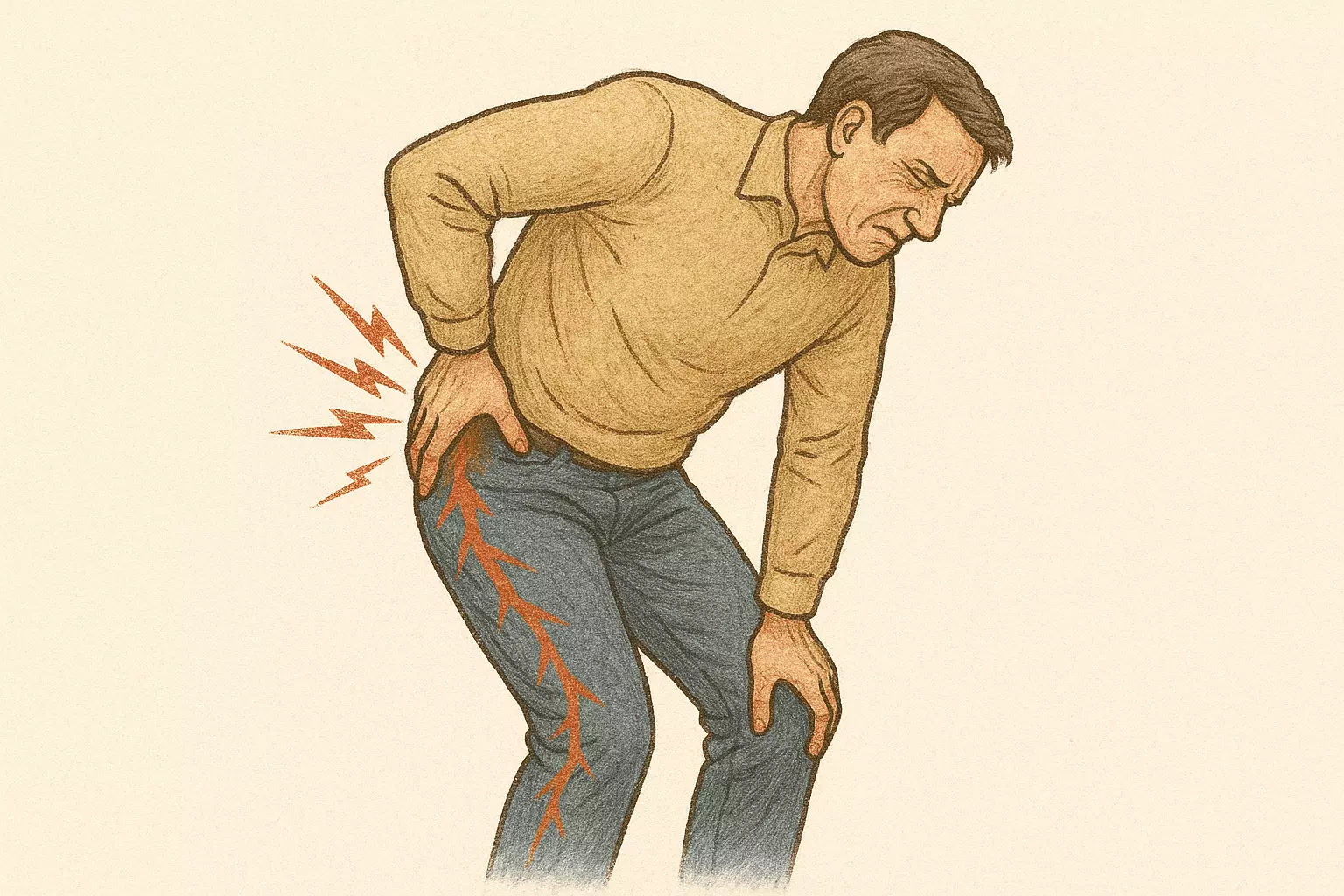
Recognizing Early Symptoms of a Herniated Disc
A herniated disc occurs when the soft inner part of a spinal disc pushes through its outer layer, potentially placing pressure on nearby nerves. This condition can cause pain, numbness, tingling, and muscle weakness, depending on the location and severity of the affected disc. Here are some early herniated disc symptoms to watch for: Identifying Early Spinal Pain Localized neck or lower back pain is often one of the first herniated disc symptoms. The discomfort usually stays near the affected disc, and people often describe it as dull, sharp, or burning. Pain may also increase after sitting for long periods,

How Family Practice Addresses the Healthcare Needs of All Ages
Healthcare needs vary across life stages. A family physician provides comprehensive medical care for individuals of all ages, addressing preventive healthcare, acute illnesses, and chronic conditions. They help patients maintain their health and manage changing medical needs. Here is more information on how family practice addresses the healthcare needs of all ages: Supporting Children’s Development Children grow quickly, and their healthcare needs change at each stage. A family practice provider monitors growth, development, and immunization schedules from infancy through childhood. Core pediatric services often include the following: Addressing Youth Healthcare Needs The teen years often lead to physical, emotional, and
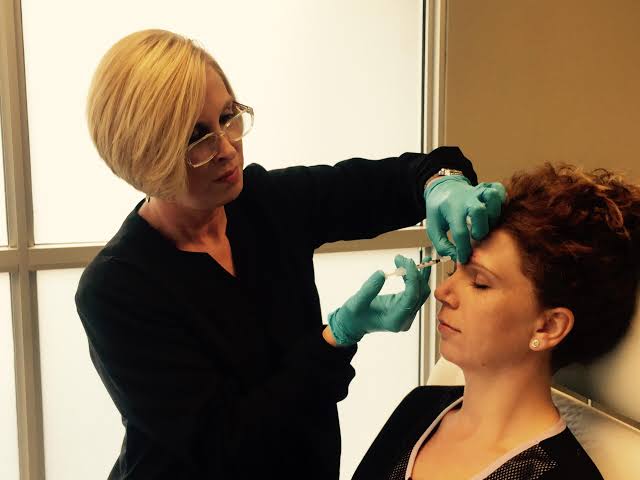
Information To Help You Choose the Right Fillers
Dermal fillers are injectable gels placed under the skin to add volume, smooth lines, or refine facial contours. Each filler type has a different composition, so each one behaves differently once it is placed under the skin. Some fillers provide immediate volume. Others work gradually over several months. The appropriate choice depends on your goals, the area being treated, and how long you want results to last. Here’s more information on dermal filler types and how to find the appropriate one for your cosmetic needs: Calcium Hydroxylapatite Filler Many people begin looking into fillers in their 30s, when natural collagen
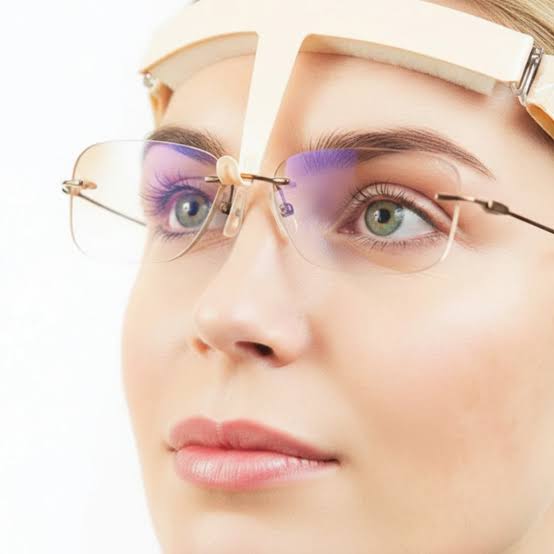
Exploring Styles of Eyeglasses for Different Face Shapes
Eyeglasses are frames that hold lenses in front of the eyes, and they can be prescription or non-prescription. A typical pair includes a front frame, two lenses, a bridge that rests on the nose, and two temple arms that extend over the ears. Frames come in many materials, styles, and shapes, from narrow rectangles to oversized circles. Frames that contrast with the face’s natural lines often create balance, while frames that repeat those lines can exaggerate certain features. Here’s information about how to find eyeglasses that fit your face shape: For Round Faces A round face has soft curves, full

Innovations in Arthroscopic Surgery Techniques
Arthroscopic surgery is a minimally invasive procedure that allows a surgeon to examine and treat problems inside a joint. During the procedure, the surgeon inserts a narrow tube called an arthroscope, which holds a small camera and light, through a small cut in the skin. The camera sends images to a monitor, and the surgeon uses those images to guide specialized instruments for joint repair. Here are some benefits of arthroscopic surgery techniques: Reduced Incision Size Many arthroscopic incisions measure less than one centimeter, and some arthroscopes are less than 2 millimeters in diameter. Surgeons can use them in an

Supporting Children With Autism in Social Settings
Autism affects how children communicate, interact, respond to sensory input, and build relationships in social environments. With the right support, structure, and understanding, children can become more comfortable participating in group activities, school settings, and community spaces. Here are some ways to support children with autism in social settings: Preparing for Social Events Preparation gives a child with autism a sense of what to expect, and this can reduce uncertainty before a social event. You can talk through the plan together, describe who will attend, and explain how long the visit will last. Visual schedules or picture cards work well;

Myths vs. Facts When Understanding Osteoporosis
While osteoporosis affects many people, some common beliefs about it are wrong. Misinformation can lead to missed screenings and poor decisions. Understanding the facts helps you take the right steps for your bone health, and it starts with separating myth from reality. Silent Early Warning Signs Bone loss happens silently. You may not notice anything until a fracture occurs. Early-stage osteoporosis causes no pain, and it produces no visible signs. Your bones can lose density for years while you seem healthy. A bone density screening detects low bone mass before a fracture, so regular testing matters. This test is quick

Psychological Support During Cancer Treatment
Cancer treatment is a physical process, but it affects your whole life. Your care team works to protect your body while targeting cancer. A strong support system works alongside your treatment to protect your mental health. Both are available to you. Plan Treatment With Precision Your radiation oncologist uses advanced tools to plan your cancer treatment carefully. Technologies like CT and PET/CT scans give your team a clear picture of the tumor. These images help guide treatments such as IMRT, IGRT, and SBRT with accuracy. Precision reduces unnecessary exposure to healthy tissue, which protects your body’s function. Planning starts before
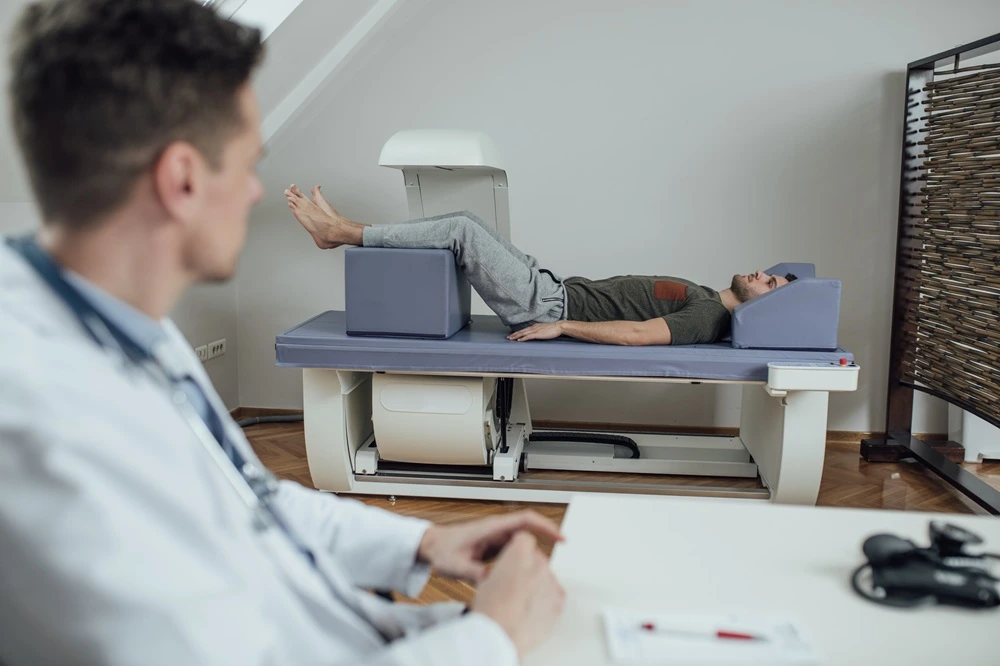
Tips for Interpreting Your DEXA Scan Results
A DEXA scan measures bone mineral density, and it helps identify bone loss. You may have had one ordered due to age, medication use, or a family history of osteoporosis. Understanding your results helps you have more productive conversations with your clinician, while putting you in a stronger position to act. Understand Your DEXA Scores Your DEXA scan produces two key measurements. This is a T-score and a Z-score. The T-score compares your bone density to that of a healthy adult, and clinicians use it as the main number for diagnosis. You may have osteopenia, which means your bones are