
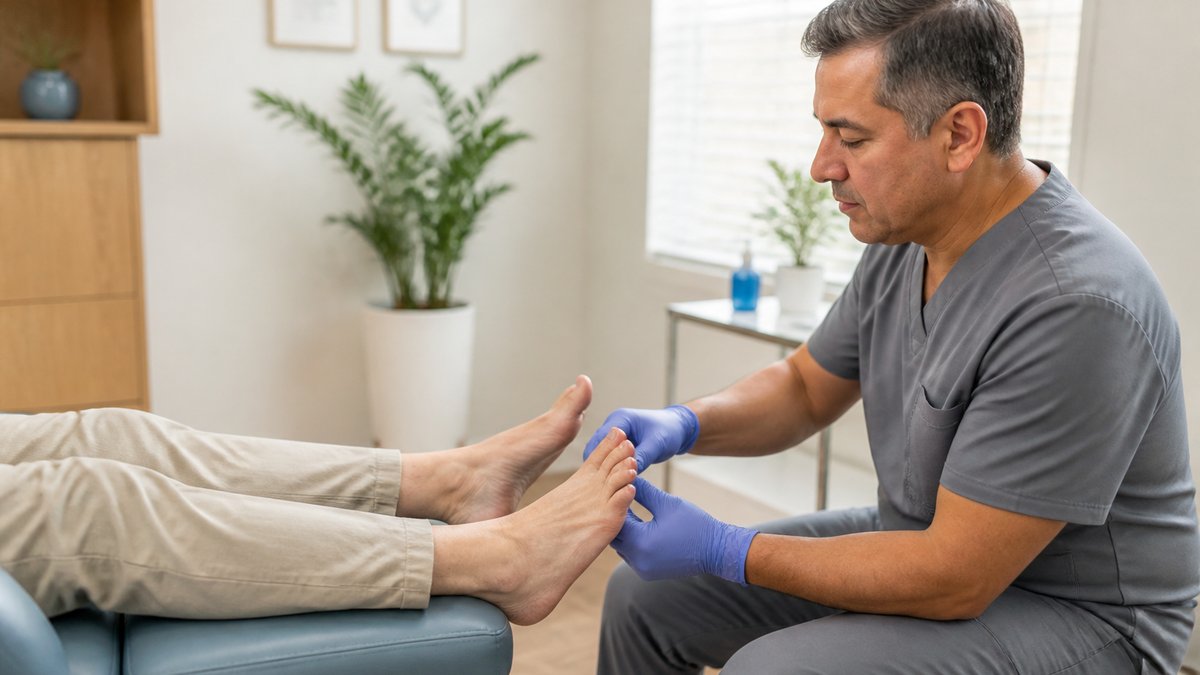
Hygiene Tips for Preventing and Managing Fungal Nails
Fungal nails occur when fungi affect the toenails or fingernails, causing changes in color, thickness, and texture. Because feet often stay enclosed in shoes and socks for hours, toenails are exposed to warm, damp conditions. Fungi thrive in this environment, so keeping your feet clean and dry can reduce the risk of infection. Here are some hygiene habits that support clean, healthy-looking nails: Keeping Nails Clean and Dry Daily washing is the foundation of nail hygiene, especially for those with risk factors such as a weakened immune system. Scrub your feet with mild soap and warm water each day. Pay close attention to
Why Tooth Extractions Are Sometimes Necessary and How to Prepare
A tooth extraction is a dental procedure in which a dentist or oral surgeon removes a tooth from its socket in the jawbone. Some extractions are simple and involve a tooth that is fully visible above the gumline, while others are surgical and require an incision to reach a tooth that has broken off or not fully erupted. Dentists recommend removal for many reasons. Here is more information about tooth extractions and how to prepare: Addressing Oral Health Concerns Tooth decay is sometimes treated with restorative procedures, but more advanced damage may require additional treatment to preserve oral health. When decay

What Is Deep Vein Thrombosis?
Deep vein thrombosis (DVT) occurs when a blood clot develops in a deep vein, most commonly in the leg or pelvis. Although symptoms vary, restricted blood flow may cause swelling, pain, skin discoloration, or mild discomfort that initially goes unnoticed. Because a clot may travel to the lungs and cause a pulmonary embolism, suspected DVT requires prompt medical evaluation. Here is more information about what deep vein thrombosis is: Understanding Deep Vein Thrombosis Deep vein thrombosis develops when a blood clot forms in a deep vein, typically in the leg or pelvis. Because these veins carry blood toward the heart,

The Benefits of Consulting With Professionals at Medical Spas
A medical spa is a clinical aesthetic facility supervised by a licensed medical professional. Trained staff perform services such as injectables, laser treatments, and chemical peels, and each procedure follows established clinical protocols. Because these services go beyond what a traditional day spa provides, the team’s qualifications play a fundamental role in the overall experience. Here are several benefits of consulting with professionals at a medical spa: Exploring Service Options Medical spas offer a range of treatments, including Botox and fillers. Botox temporarily relaxes targeted facial muscles, and dermal fillers add volume to specific areas. Microneedling uses fine, sterile needles
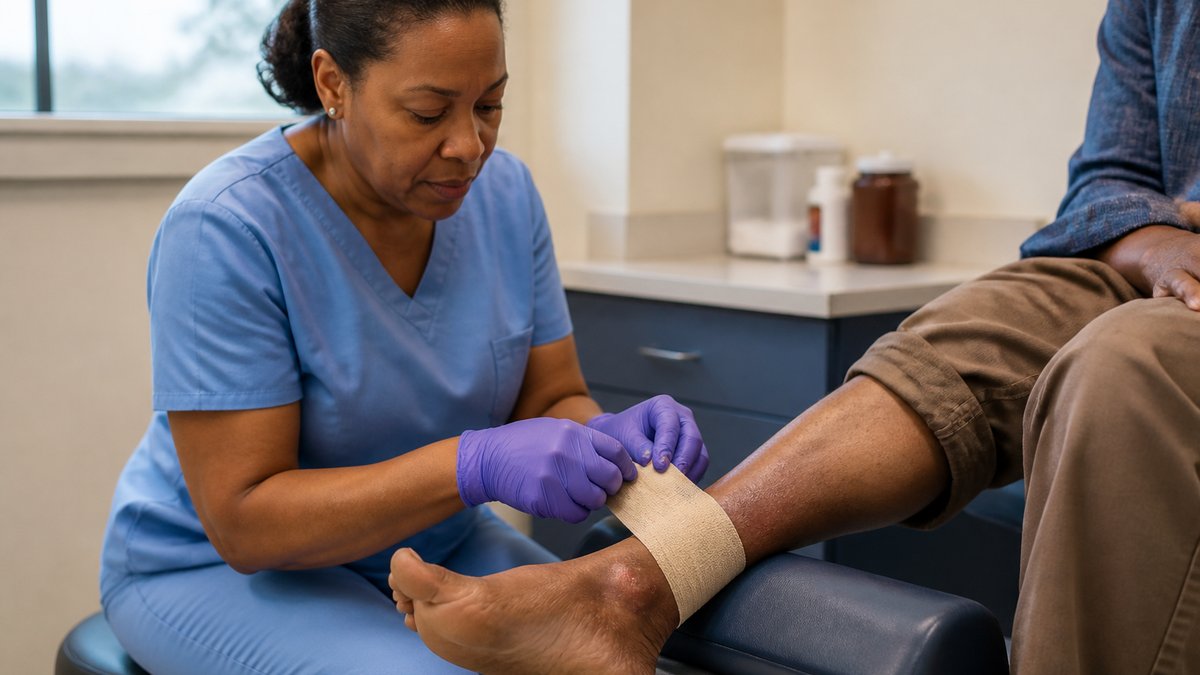
Understanding the Long-Term Effects of Untreated Ankle Wounds
An untreated ankle wound can affect the surrounding skin and tissues, with potential consequences for healing and mobility. The long-term effects depend on the wound’s cause, depth, and underlying health factors. Here is more information on the long-term effects of untreated ankle wounds: Delayed Healing and Chronic Ulcers Wounds, including an ankle wound, often follow a predictable repair process. The body first clears debris, and then it builds new tissue to close the skin. When this process stalls, the wound remains open longer than expected. Providers often describe a wound as chronic, or long-lasting, when it shows little progress after

The Impact of Stroke on Mobility and Rehabilitation
Stroke rehabilitation focuses on rebuilding movement, strength, and daily skills after a stroke, and providers build plans around individual needs. A stroke interrupts blood flow to the brain, and the damaged areas may control movement. When those areas lose function, walking, reaching, and balancing may become difficult. Here is more information on the impact of stroke: Diminished Motor Skills Fine motor skills involve small, precise movements, and a stroke disrupts them. Gross motor skills, like walking and lifting, also decline, and since the brain sends weaker signals, your hand may feel clumsy or slow. Occupational therapists address these changes through

The Physical Benefits of Breast Reduction Surgery
Large, heavy breasts can place steady strain on your body. Many people adjust their posture, clothing, and activities to manage the weight, but these changes rarely address the cause. When you understand the benefits of breast reduction, you can weigh your options. Reducing Upper Body Strain Your provider can assess your posture during your breast reduction evaluation, and that information helps guide your care plan. Traditional breast reduction surgery removes tissue through incisions around the areola and below the breast. This approach reduces breast weight and lifts the remaining tissue into a higher position. A lighter chest may allow your shoulders

The Role of a Lactation Consultant in Supporting New Mothers
Many people expect breastfeeding to come naturally, but it often takes time and practice for both mother and baby. A newborn must learn to latch and suck effectively. A mother must learn to recognize feeding cues and manage her milk supply. Pain during feeding, slow weight gain, low milk output, or a baby who struggles to latch can make these early weeks difficult. A lactation consultant is a trained specialist who helps families work through these concerns. Mothers may benefit from a consultation shortly after birth, when returning to work, or any time feeding becomes a challenge. They Find Supportive
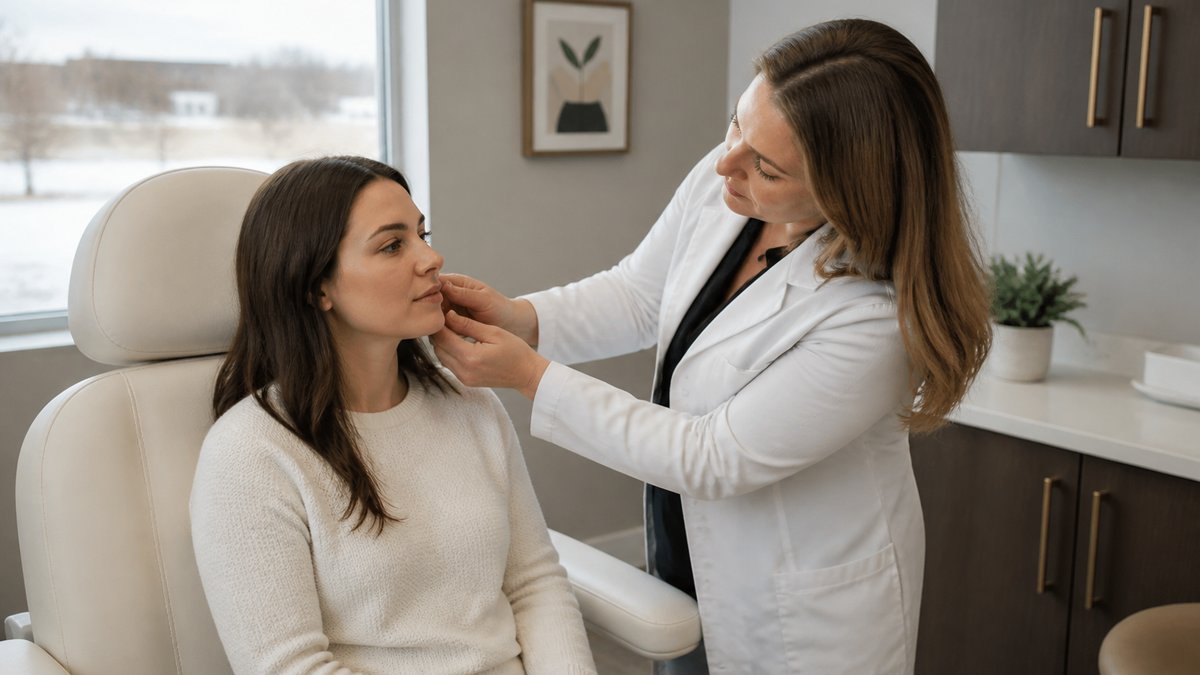
The Role of Regular Skin Checks in General Dermatology
General dermatology covers routine care for the skin, hair, and nails. A skin check is a scheduled, full-body visual exam performed by a dermatologist. During this visit, the provider examines your skin from scalp to sole. They note moles, spots, and growths with close attention to detail, and they record any changes from previous exams. Here’s information about the role of regular skin checks: Establishing Your Skin Baseline A baseline is a detailed snapshot of your skin at a specific point in time. During your first full exam, your dermatologist notes the size, shape, and color of existing spots; some
What To Know About Living With a Deviated Septum
The nasal septum is the thin wall of cartilage and bone that divides the nose into two passages. When this wall shifts noticeably to one side, specialists call it a deviated septum; this is a common nasal structural difference. Some people are born with it, while others develop it after an injury. Because the septum sits at the center of the nasal cavity, its position directly affects how air moves through each nostril. Many people with a deviated septum experience no symptoms at all. Others notice one-sided congestion, noisy breathing during sleep, or recurring sinus issues. Here are several things